Best Contact Lens Case for Safe Storage and Travel Tips?

Time:2026-06-09 Author:Sienna
0%

A reliable Contact Lens Case is essential for safely storing your lenses. Choosing the right case can prevent damages and contamination. Many travelers overlook this small item, yet it plays a significant role in eye health.

When you’re on the go, you need a case that is both portable and secure. Look for options that have a tight seal and are compact. A well-designed Contact Lens Case can keep your lenses safe from dirt and moisture. Some cases even come with built-in tools for easy lens handling.

Reflecting on your choices is crucial. Not all cases are created equal, and some may not provide the protection you expect. Consider the materials and design of your Contact Lens Case. This small investment can make a big difference in your lens care routine.
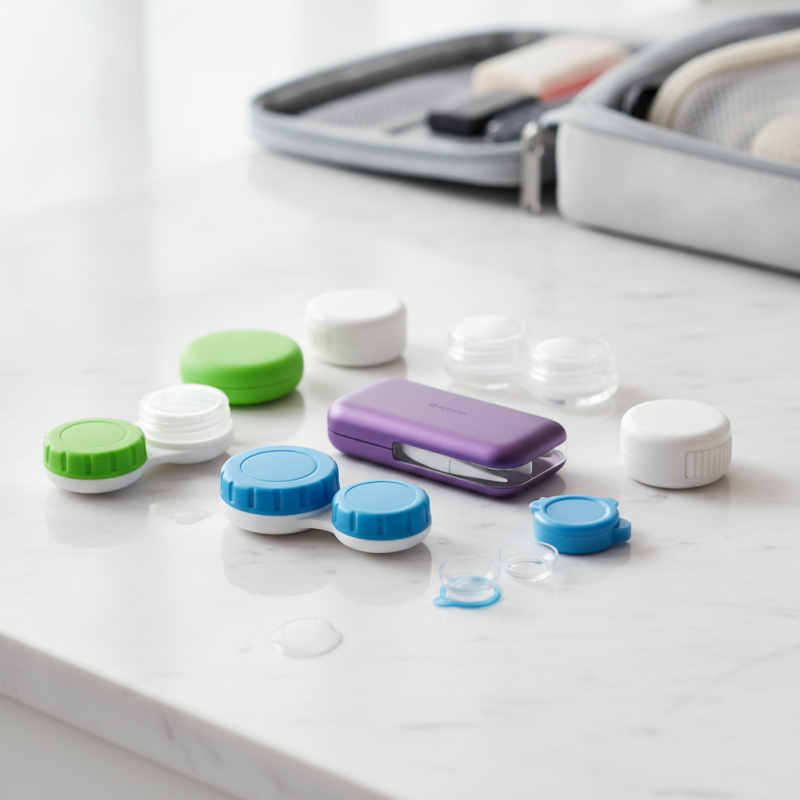
Best Contact Lens Case for Safe Storage and Travel Tips?

Choosing the Right Material for Your Contact Lens Case

When selecting a contact lens case, the material is crucial. Common options include plastic, silicone, and metal. Each material has its advantages and disadvantages. For example, plastic cases are lightweight and affordable. However, they may not provide adequate protection against impacts. Silicone cases are more flexible and resistant to falls. Yet, they could retain moisture and lead to bacteria growth if not properly cleaned.

Metal cases are durable and stylish. They offer excellent protection, but they can be heavier. Consider your travel habits when making your choice. If you often carry your lenses in a bag, lightweight plastic might suit you best. Conversely, if you frequently travel, a sturdy metal option could be ideal. Reflect on your personal preferences. Do you prioritize protection or convenience?

Cleaning and maintaining the case is essential, regardless of the material. Contaminants can lead to eye infections. Regularly replace your case to ensure safety. It's easy to overlook, but a dirty case is a threat. Trusting the right material helps in protecting your lenses, which ultimately guards your eyesight.

The Importance of Sterilization and Cleaning Practices

Proper cleaning and sterilization of your contact lens case are crucial for maintaining eye health. Research indicates that up to 50% of contact lens wearers do not clean their cases regularly. This negligence can lead to bacterial growth and infections, which can be harmful. A study published in the Journal of Contact Lens Research found that improper handling of lens cases is a leading cause of corneal ulcers. Therefore, it's vital to adopt good cleaning practices.

Here are some tips to keep your contact lens case safe:

  • Clean it with multipurpose solution after each use.
  • Avoid tap water, as it may introduce harmful microorganisms.
  • Replace your case every three months to minimize the risk of contamination.
  • For a deeper clean, you can soak it in a solution of diluted hydrogen peroxide.
  • Remember to dry the case completely before reinserting the lenses.

Traveling with contact lenses can also pose challenges. Always pack extra lens solution and a spare case. Carry your lens care products in a sealed bag to prevent spills. Consider using a hard case for travel to protect against damage. Keeping your contact lens case clean and sterilized will help ensure a safer experience. When in doubt, practice good hygiene and consult an eye care professional.

Size and Portability: What to Consider for Travel

When traveling, the size and portability of your contact lens case become essential. A compact case fits easily in your bag, pocket, or even a small purse. Look for lightweight materials that won’t add bulk. A slim design can save space while still providing the protection your lenses need. Think about how to balance size with functionality. Some cases, while small, may lack features like secure seals or compartments.

Consider the type of travel you'll be doing. If you're flying, TSA regulations may require liquid restrictions, influencing your case choice. Opt for a case that allows for easy access and refills. Eco-friendly options can also be appealing for travelers concerned about waste. Remember, practicality doesn't mean sacrificing safety. A poorly designed case can lead to lens damage or contamination. Reflect on your travel habits to choose what best suits your lifestyle, ensuring your lenses remain safe at all times.

Additional Features to Look for in Contact Lens Cases

When selecting a contact lens case, consider various essential features that enhance safety and convenience. According to the American Optometric Association, a clean and secure case is vital for protecting lenses from contamination. Look for cases made from durable, non-toxic materials. Cases with a firm lid prevent accidental openings during travel. It’s surprising how often a seemingly secure case can malfunction.

Some models include unique features like built-in disinfectants. These are useful for cleaning lenses while stored. Additionally, UV sterilization technology is becoming more common in lens cases. This feature ensures that harmful bacteria are eliminated. A 2021 report indicated that 45% of contact lens wearers experience irritation due to unclean storage environments. This statistic highlights the importance of choosing a case that prioritizes hygiene.

Having a case with clear labeling can also be beneficial. It helps users differentiate between left and right lenses easily. Regular maintenance is key. Replace your case every three months to ensure freshness. Despite these features, some individuals still face issues with improper storage habits. It is crucial to remain vigilant and prioritize lens care to avoid complications.

Best Contact Lens Case for Safe Storage and Travel Tips

Tips for Storing and Maintaining Your Contact Lenses Safely

When it comes to contact lens care, proper storage is crucial for maintaining their integrity and ensuring safety. According to the American Optometric Association, approximately 6 million people in the U.S. suffer from contact lens-related complications. A significant aspect of preventing these issues is how lenses are stored and maintained.

To store contact lenses safely, always keep them in a clean case. Change your lens case every three months to reduce the risk of bacterial growth. This aligns with findings from the Centers for Disease Control and Prevention, which highlight that a majority of eye infections are linked to improper care. Use fresh solution every time you store your lenses. Avoid topping off solutions, as this may lead to contamination.

When traveling, pack your lens case strategically. Use a waterproof pouch to protect lenses from moisture and damage. Keep the case upright to prevent leaks. Additionally, store your lenses away from high temperatures, which can damage them. Many people forget these details, leading to preventable complications. Taking these steps can significantly enhance lens safety, making your optic health a priority while on the go.

Best Contact Lens Case for Safe Storage and Travel Tips

Feature Description Importance
Material Durable and non-toxic plastic Ensures safety and longevity
Seal Quality Tight-fitting lid to prevent leakage Prevents lens drying out
Size Compact for easy travel Convenient for on-the-go
Cleaning Easy to clean and maintain Prevents bacterial growth
Labeling Transparent for easy identification Helps avoid confusion

FAQS

: What materials are common for contact lens cases?

: Common materials include plastic, silicone, and metal. Each has unique pros and cons.

What are the benefits of a plastic contact lens case?

Plastic cases are lightweight and affordable but may not protect lenses from impacts well.

Why choose a silicone case?

Silicone cases are flexible and resistant to falls but can retain moisture if not cleaned properly.

What advantages do metal cases offer?

Metal cases are durable and stylish, providing excellent protection, though they can be heavier.

How often should I replace my contact lens case?

Replace your case every three months to minimize contamination risks.

What cleaning practice should I follow?

Clean your case with multipurpose solution after each use. Avoid using tap water.

Why is proper cleaning important?

Neglect can lead to bacterial growth and eye infections, which are harmful.

How can I ensure safe travel with contact lenses?

Pack extra lens solution and a spare case. Use a hard case for better protection.

What should I do if I doubt the cleanliness of my case?

Consult an eye care professional and practice good hygiene consistently.

Is a dirty case really a threat?

Yes, a dirty case increases the risk of eye infections. Regular cleaning is essential.

Conclusion

When choosing the best contact lens case for safe storage and travel, it is crucial to consider the material, cleanliness, and portability. A durable and non-toxic material can protect your lenses from damage, while regular sterilization and cleaning practices will help prevent eye infections. Size and portability are also significant factors; opt for a compact design that fits easily in your bag, ensuring your lenses are always accessible during travels.

In addition to these considerations, look for extra features such as labeling options, or built-in mirrors, which can enhance convenience. Lastly, proper storage and maintenance of your contact lenses are vital for ensuring their longevity and safety. By adhering to these guidelines, you can select the ideal contact lens case that meets both your safety needs and travel lifestyle.

Sienna

Sienna

Sienna is a skilled marketing professional with a deep expertise in our company’s core products and services. With a passion for innovation and detail, she plays a pivotal role in crafting insightful blog posts that not only highlight the unique features of our offerings but also provide valuable......