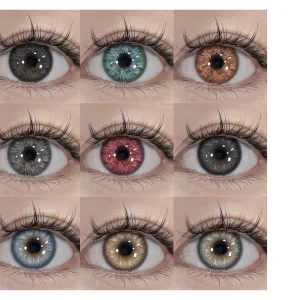
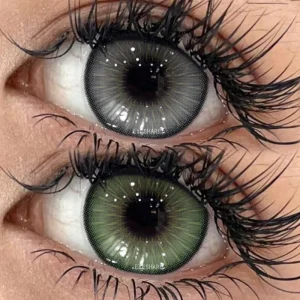
Explore our highly-demanded cosmetic contact lens collections engineered for comfort, clarity, and breathtaking visual effects.
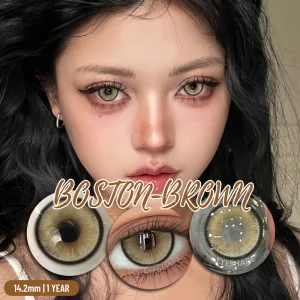
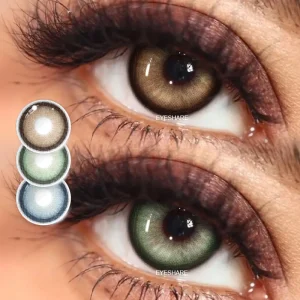
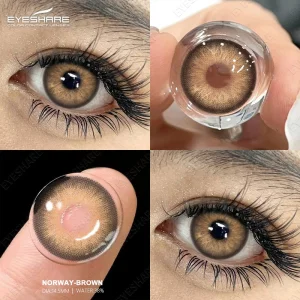
A comprehensive white paper on manufacturing intelligence, safety certification, and commercial growth strategies.
The global contact lens industry has evolved from purely corrective medical eyewear to dynamic fashion statements and beauty products. According to visual health market research, the cosmetic and color contact lenses segment is growing at an unprecedented CAGR of 6.8%. This growth is fueled by consumer groups seeking non-surgical aesthetic enhancements, cosplay enthusiasts, and the mainstream adoption of daily beauty lenses across Europe, North America, and the Asia-Pacific region.
For international distributors and brand owners, navigating this thriving sector requires working with a certified color contact lenses factory that understands both aesthetics and strict physiological safety. Modern consumers demand high-oxygen-permeability contact lenses that prevent corneal hypoxia while displaying natural, multi-toned pigment configurations. Achieving this balance requires precision chemistry, cleanroom manufacturing facilities, and strict compliance with global medical device standards.
When selecting a supplier, look for verified factory audits, material composition analysis (e.g., bio-compatible Hydrogels and HEMA materials), and patent-protected color pigment locking processes. These details differentiate reliable medical device manufacturers from low-tier suppliers, ensuring the safety of the end-user and protecting the reputation of your brand.
Creating a high-quality color contact lens is a complex process. The core technology centers around the "Sandwich Matrix Technology" (also known as the encapsulated pigment process). In low-grade contact lenses, pigments are printed directly onto the lens surface, increasing the risk of mechanical irritation or chemical leaching onto the cornea.
Premium factories print the color layer securely between two layers of clear hydrogel material. This prevents direct contact between the color pigments and the delicate surface of the eye. Below is an overview of the manufacturing workflow at Dongguan Chic Contacts Co., Ltd.:
High-precision pad printing machines transfer multi-tone patterns onto the mold surface using biocompatible, medical-grade ink pigments.
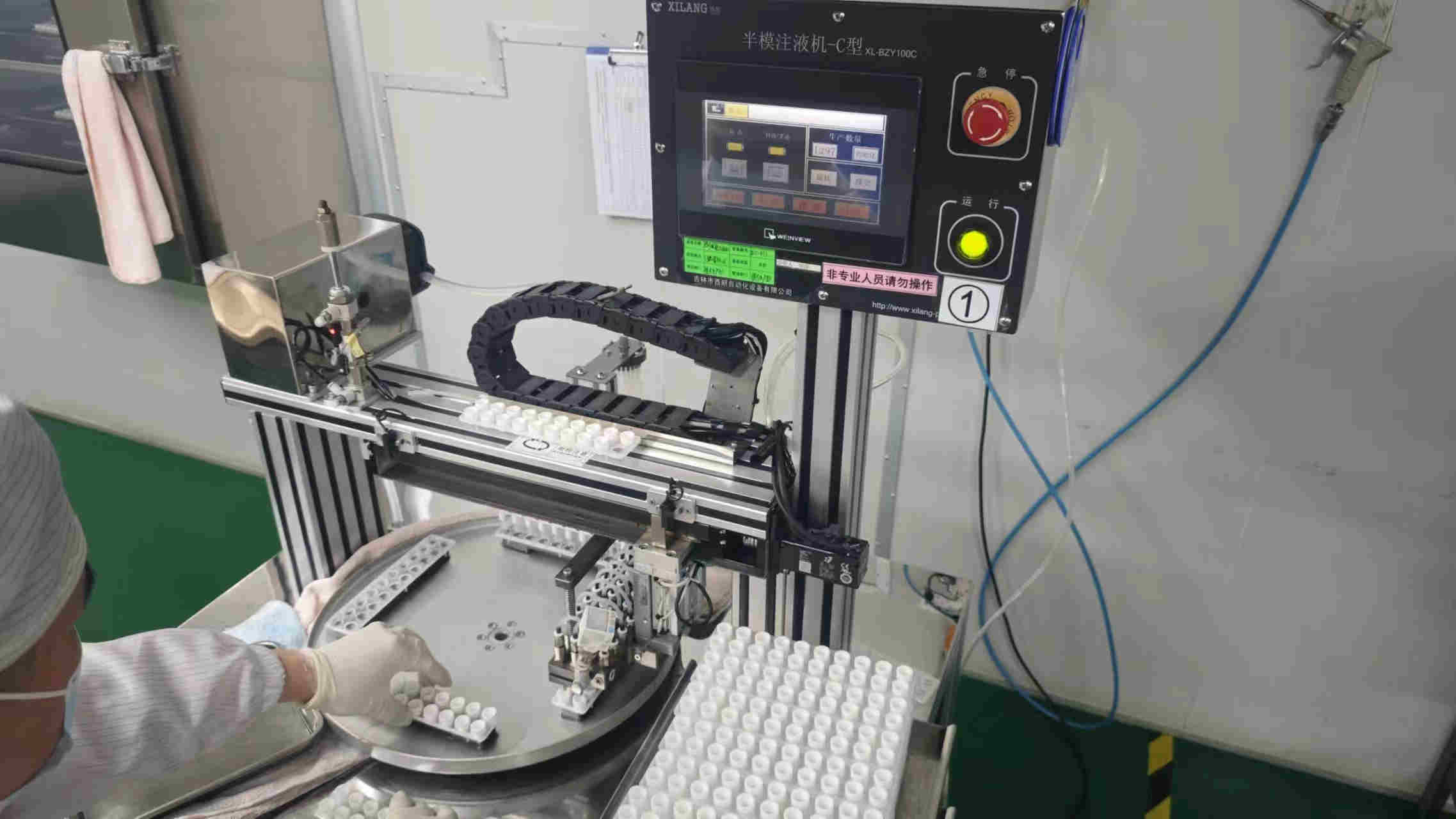
Monomer liquid (Hydrogel/HEMA compound) is injected into the patterned mold cavity to encapsulate the design inside the lens matrix.
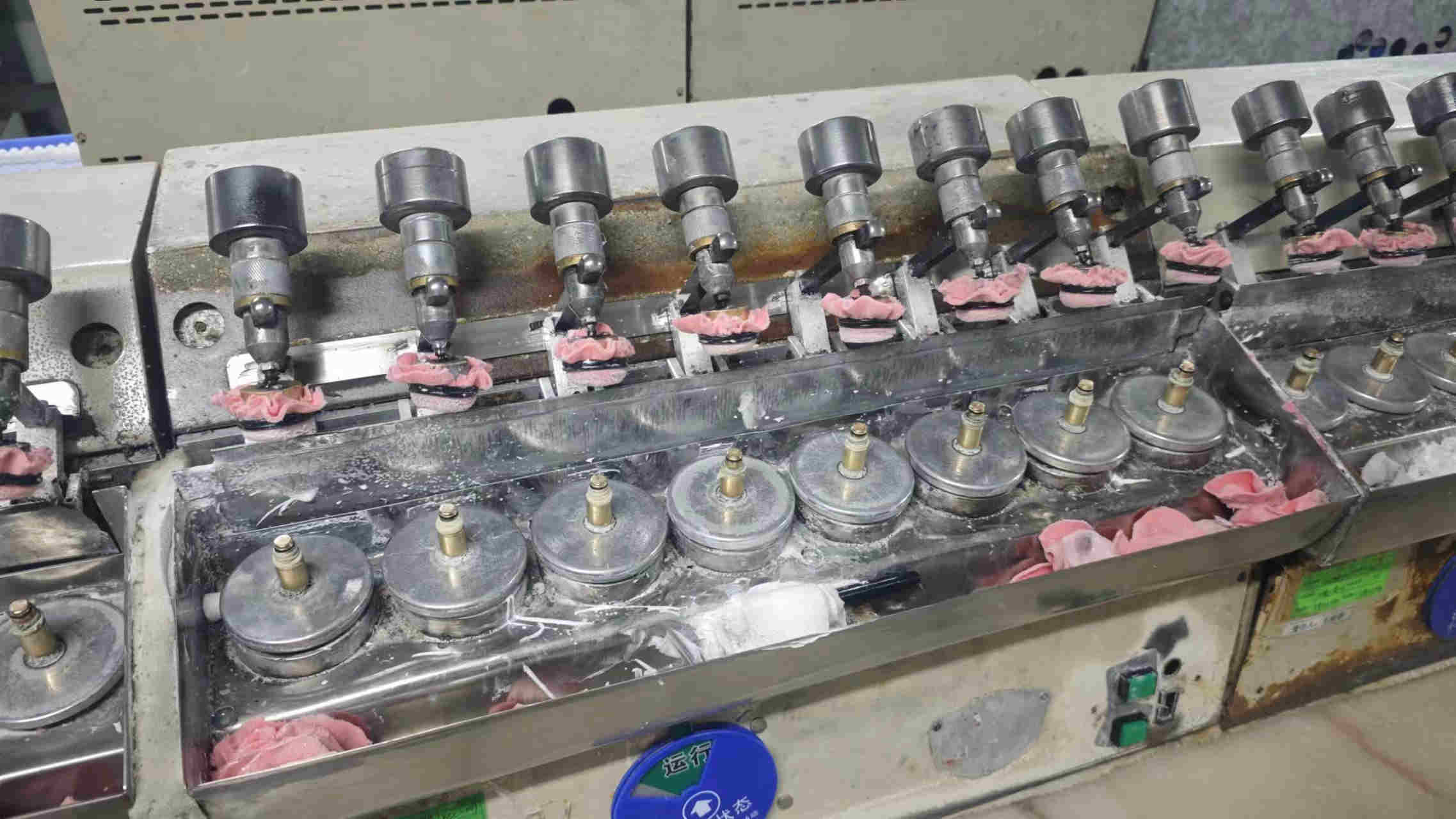
Polishing steps remove excess flash and ensure the lens edges are smooth and micro-contoured for maximum comfort.
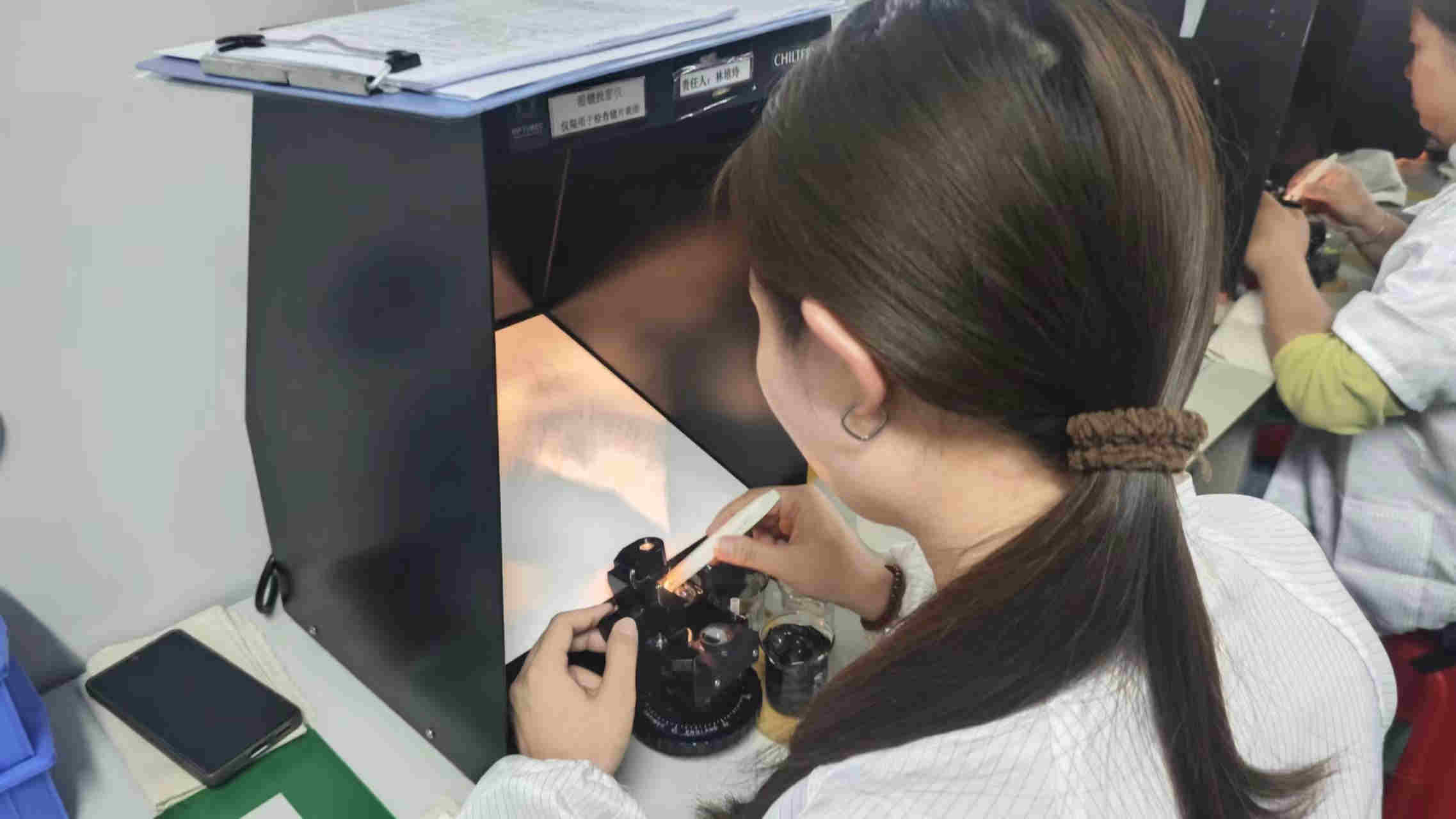
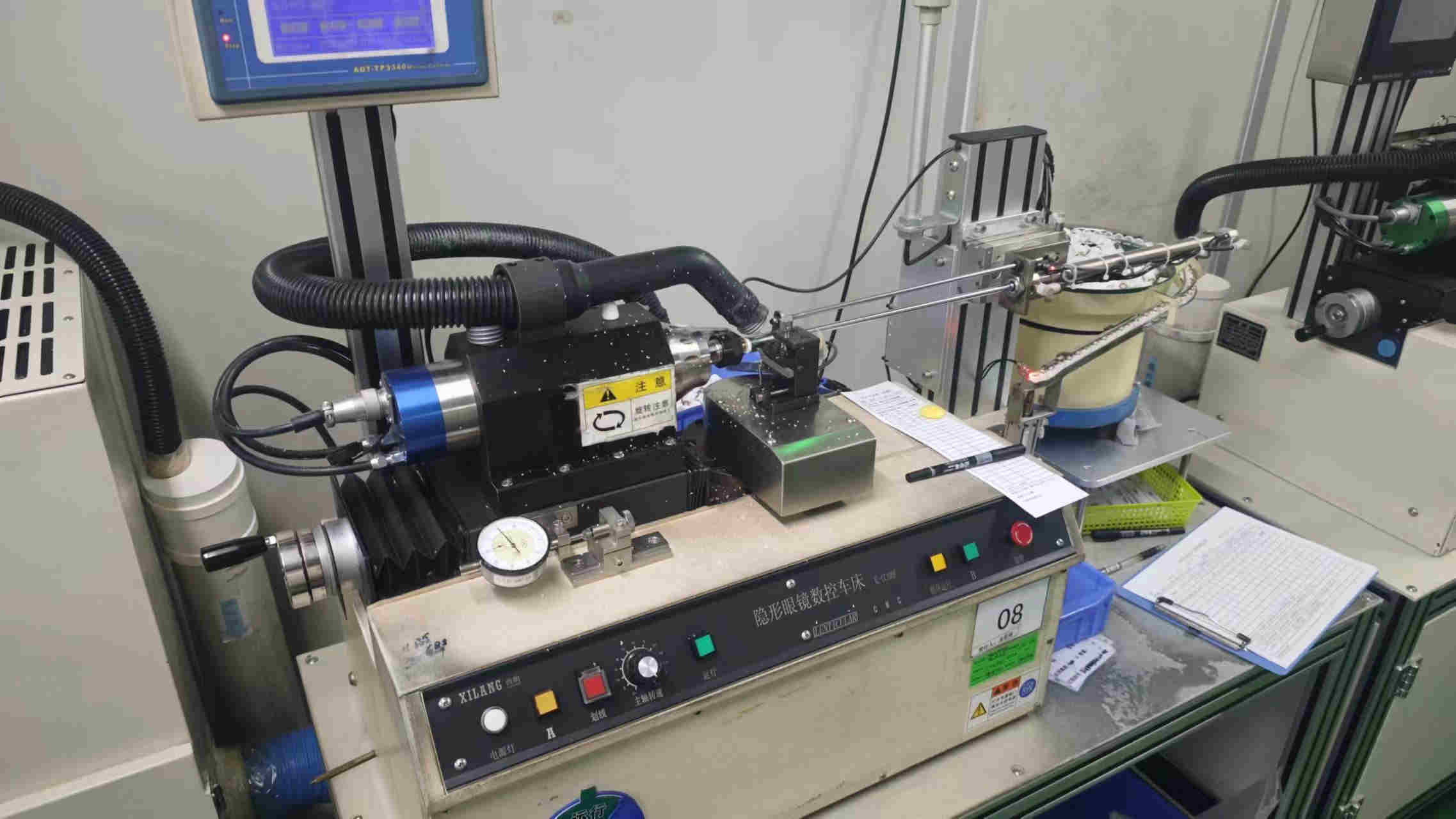
CNC machines cut the base curves with high precision, maintaining consistent power, thickness, and stability.
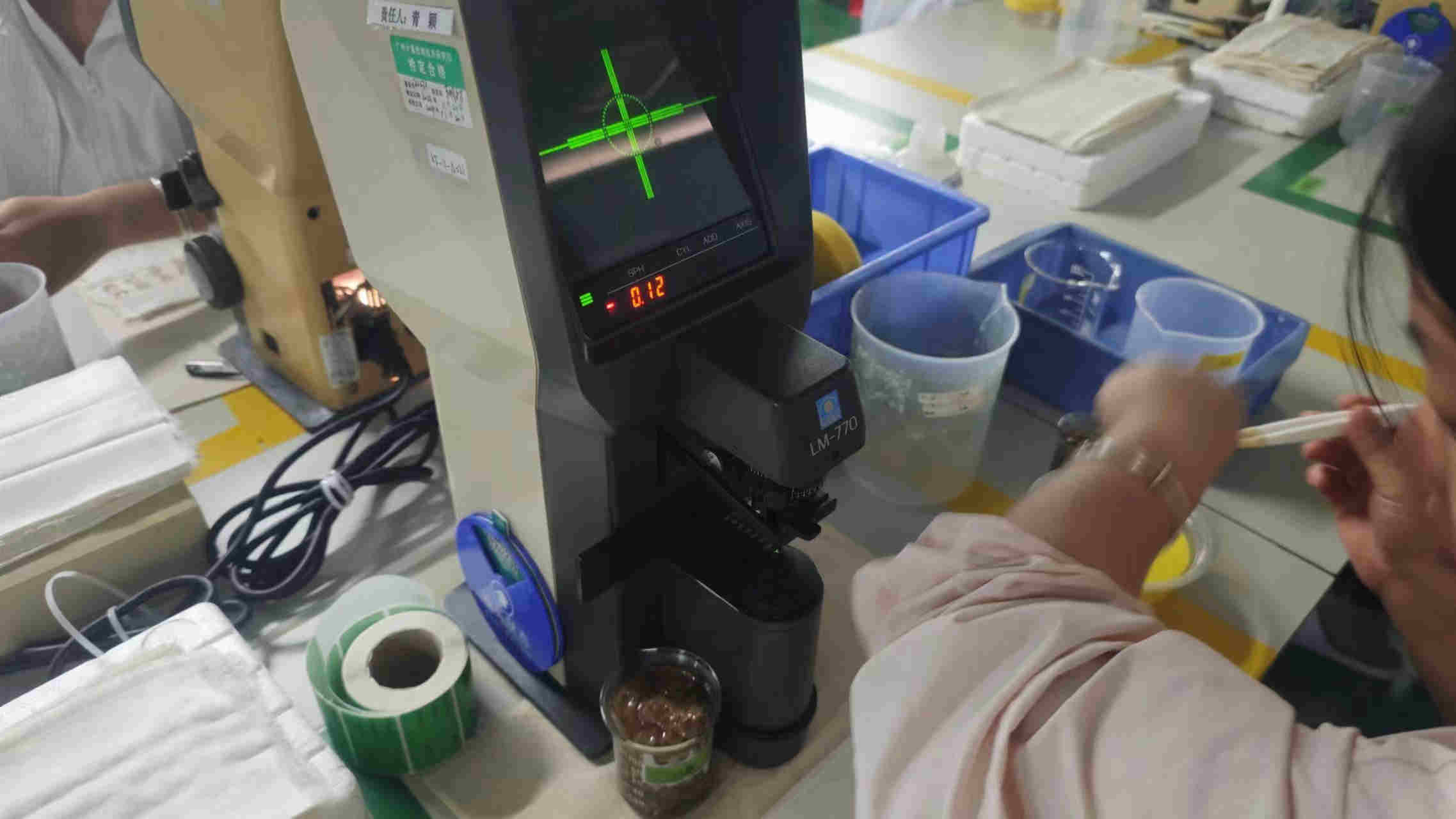
Each lens undergoes strict projection inspections to check for pattern alignment, edge consistency, and defects.
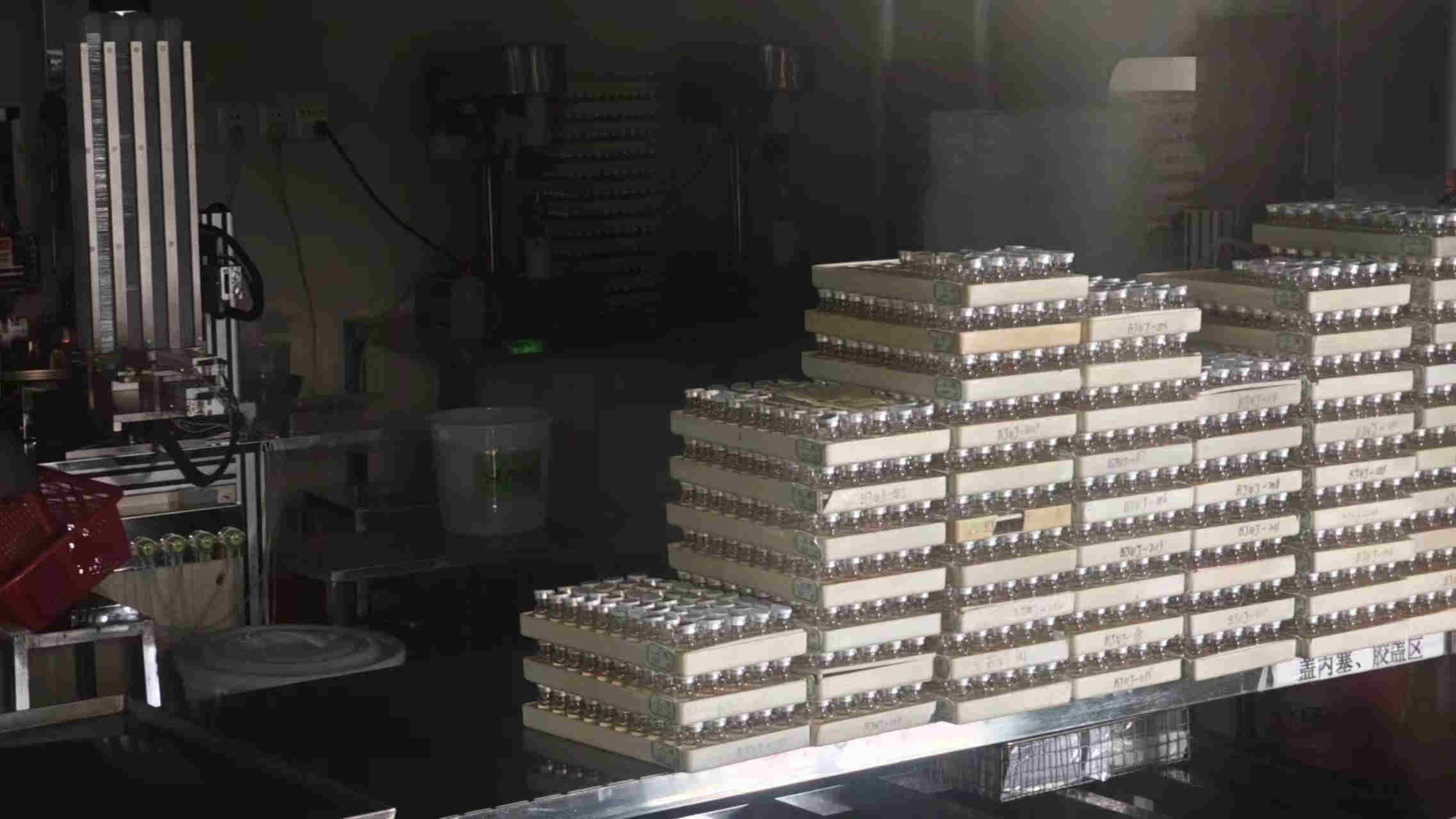
Lenses are sealed in sterile saline-filled blister packs or vials, ready for high-temperature terminal sterilization.
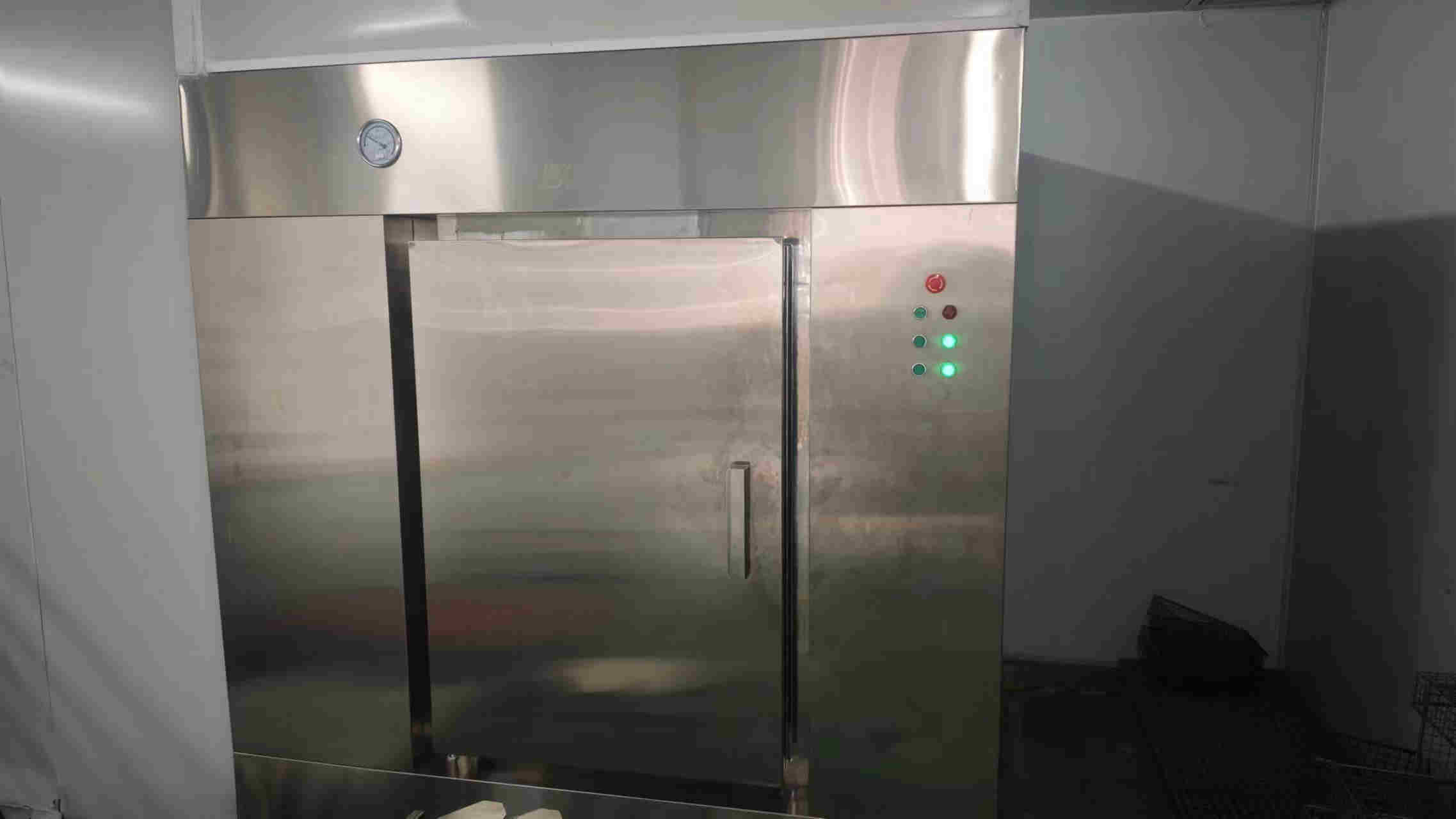
Lenses are processed in autoclave systems at high temperatures to eliminate microbial activity and ensure safety.
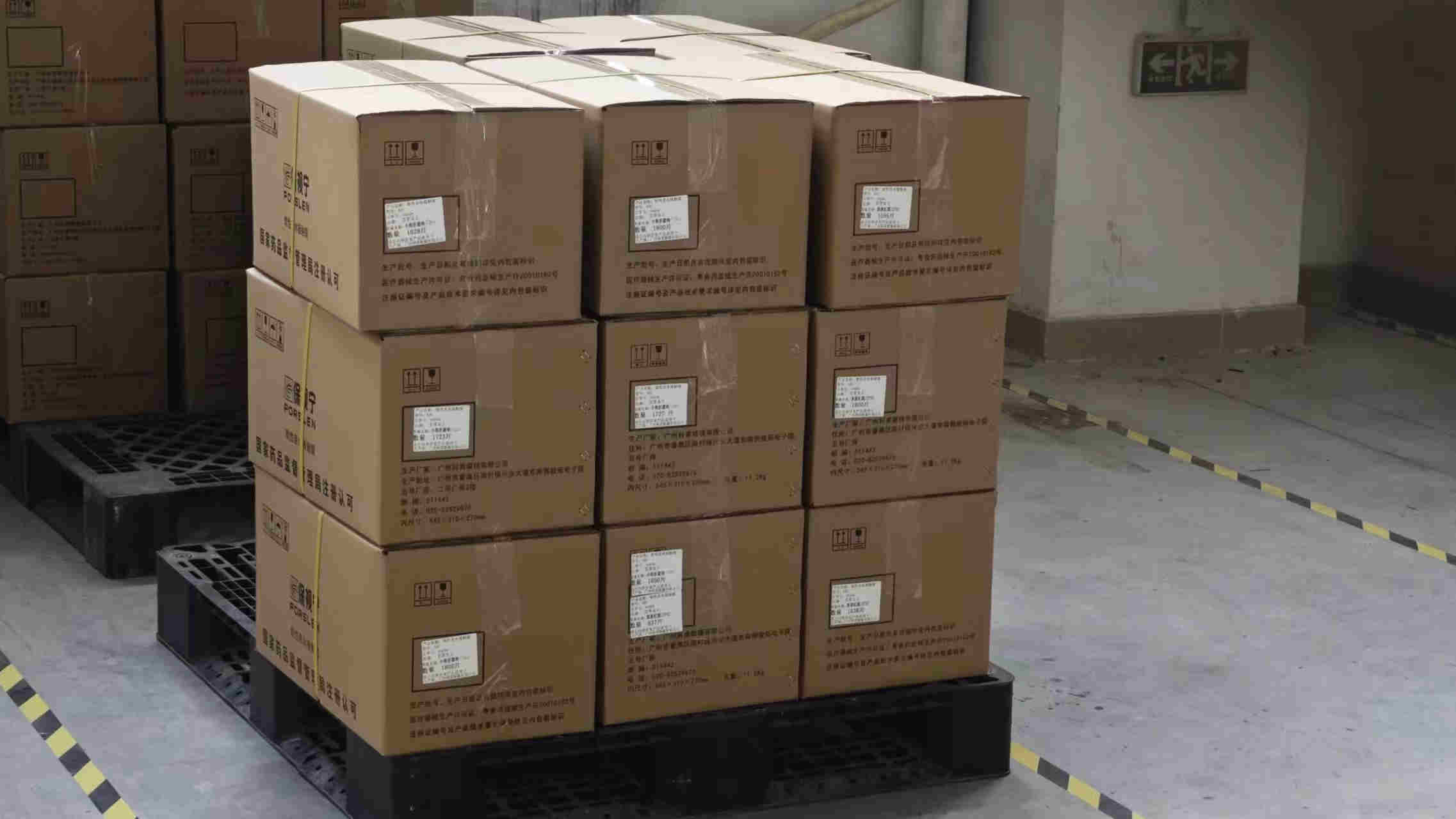
Finished products are cataloged, boxed under dust-free conditions, and dispatched to global distribution centers.
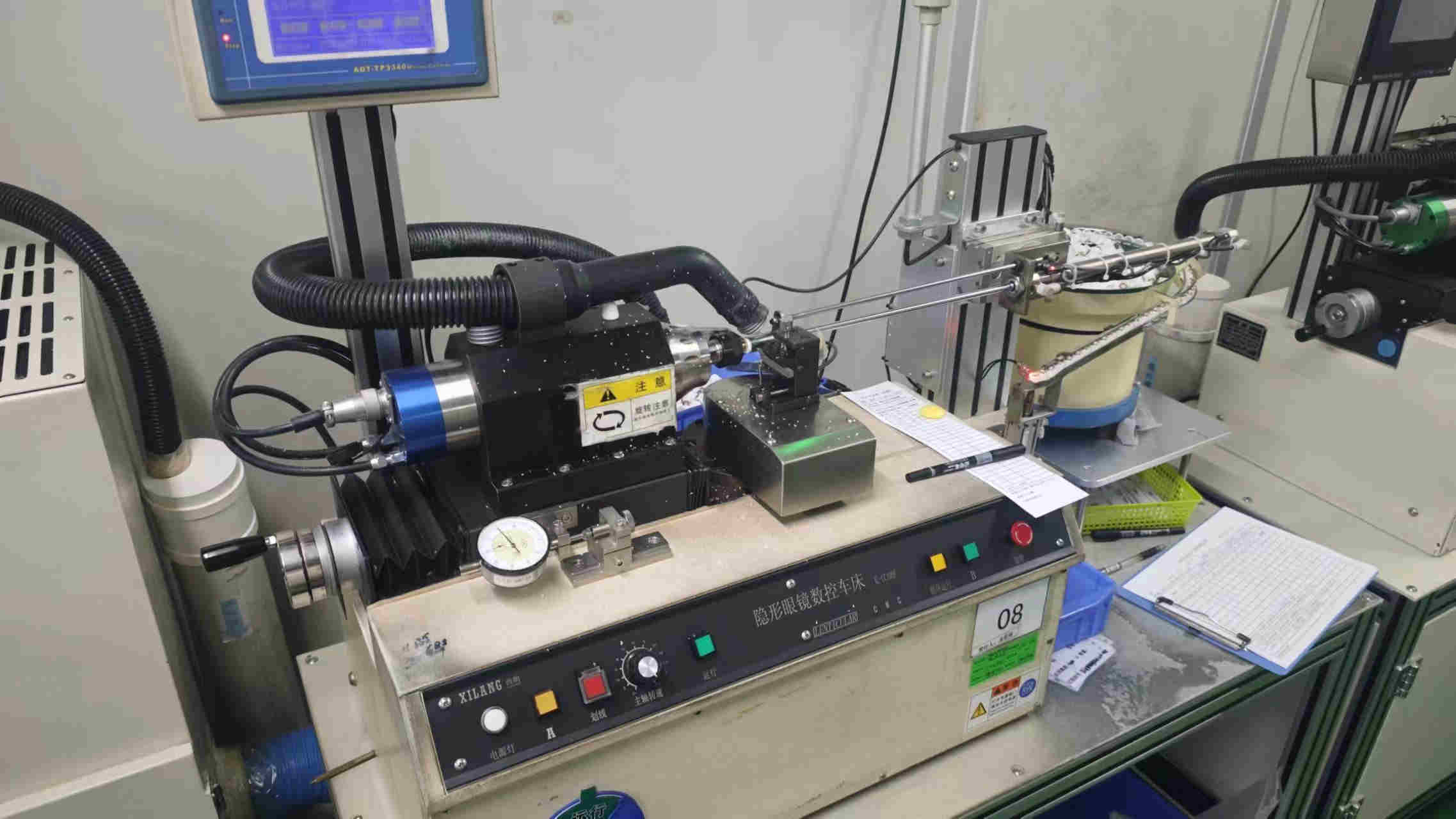
Advanced CNC lathes deliver micro-level adjustments for customized optical profiles and comfortable fit designs.
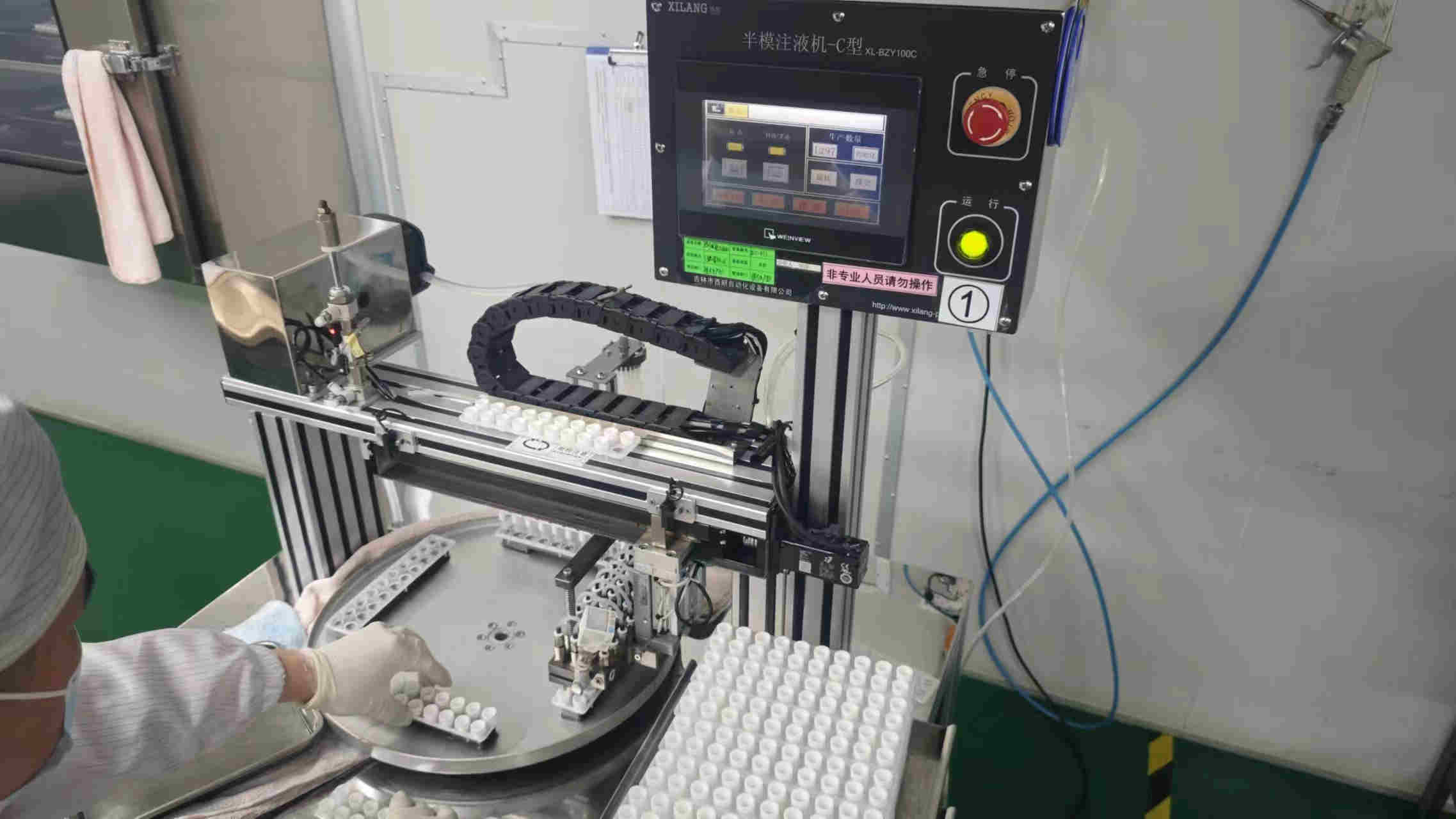
Automated fluid dispensers deliver consistent amounts of polymer liquid to maintain thickness consistency.
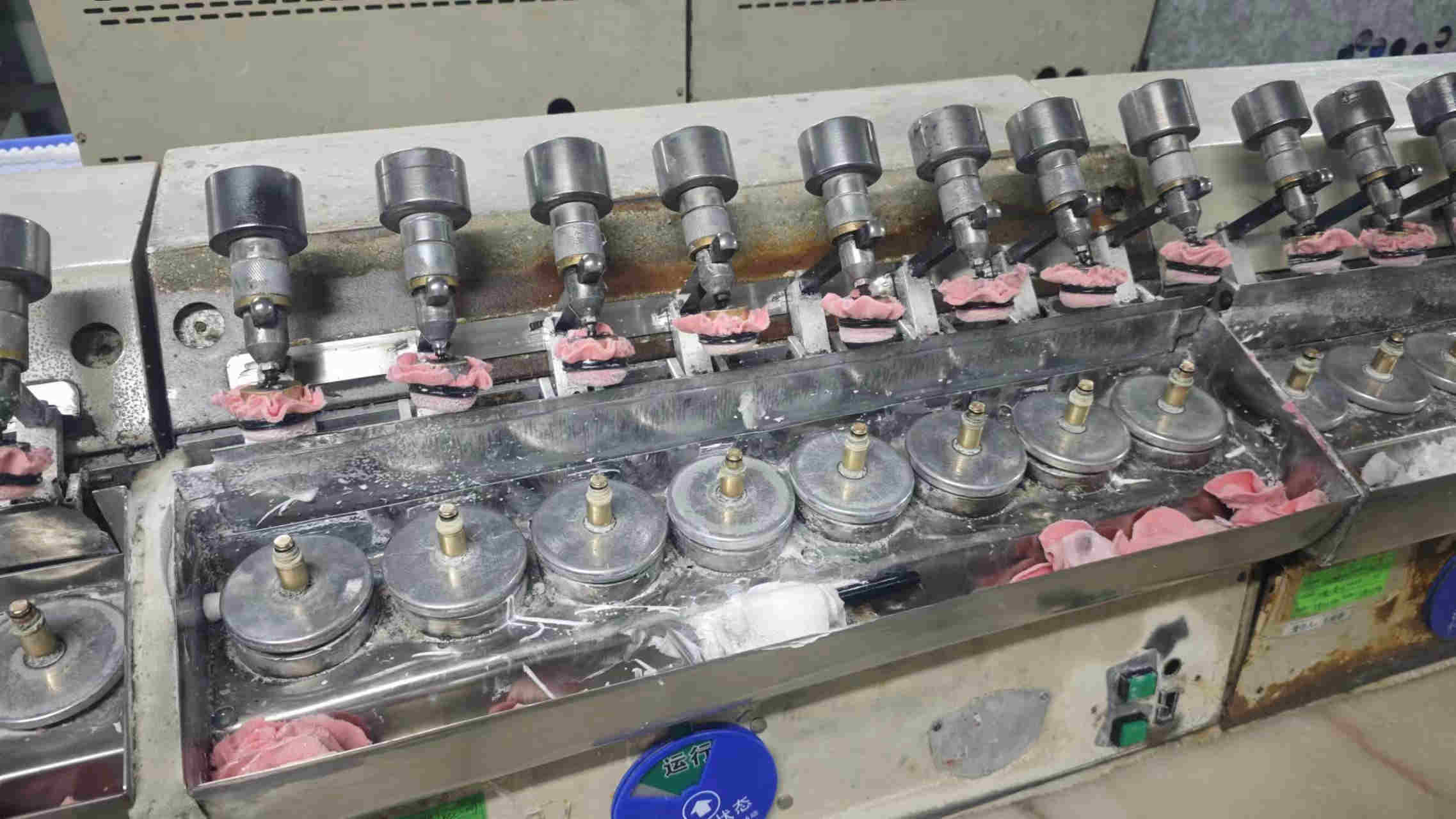
Automated polishing stations prepare the lens surfaces to minimize biological buildup and protein deposition.
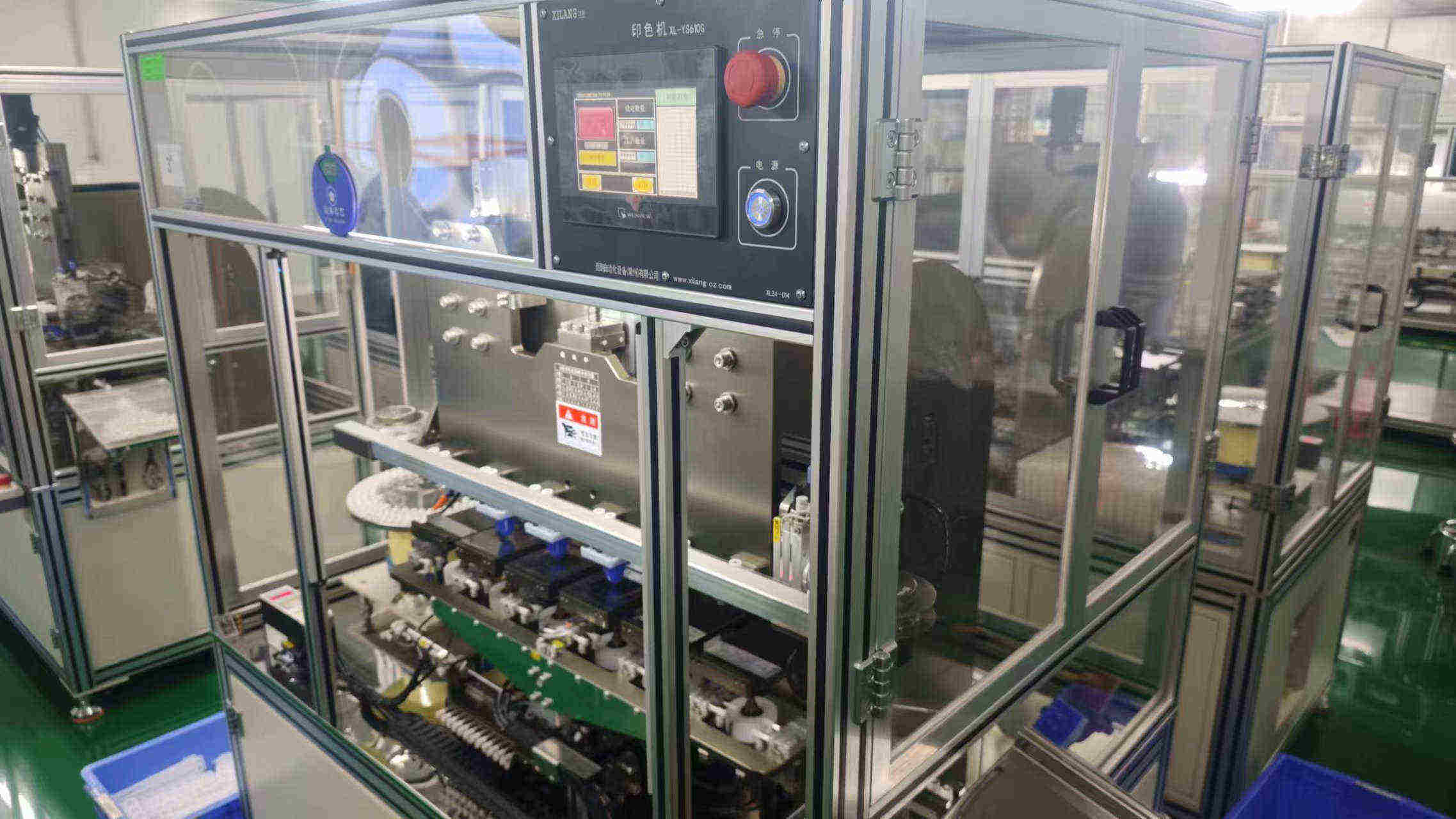
Advanced mold separation systems release polymerized lenses without causing micro-tears or surface defects.
Founded in Dongguan, China, Dongguan Chic Contacts Co., Ltd. is a leading, specialized manufacturer dedicated to the research, development, and high-volume production of premium contact lenses and colored cosmetic lenses.
Operating from a state-of-the-art, GMP-standard cleanroom facility, we combine advanced cast-molding technologies with automated production lines to deliver lenses with exceptional oxygen permeability, moisture retention, and centration. Our robust supply chain allows us to support an extensive portfolio, ranging from daily disposables to yearly replacement lenses, utilizing market-proven materials like Hydrogel and Hema.
As a trusted global OEM/ODM and private-label partner, Chic Contacts strictly adheres to international quality management systems, ensuring our products meet stringent global regulatory standards (CE/ISO). From custom pattern design and fast prototyping to mass production and compliant packaging, we provide end-to-end manufacturing solutions that empower global eyewear brands, distributors, and fast-fashion labels to scale with confidence.
China has become the global hub for manufacturing contact lenses. The industrial cluster in Guangdong Province, particularly in Dongguan, offers key advantages for B2B optical buyers:
Understanding user intent helps distributors segment their offerings for specific markets and applications:
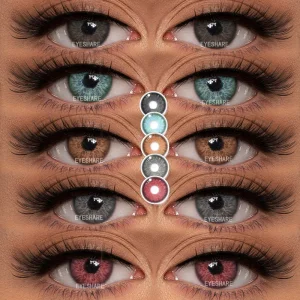
High-opacity, vibrant colored lenses with unique designs (red, yellow, whiteouts) for anime fans, stage theater, movie productions, and Halloween retail.
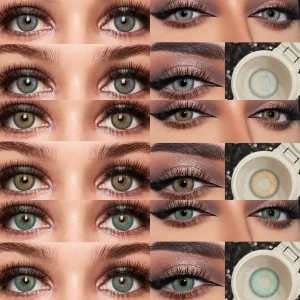
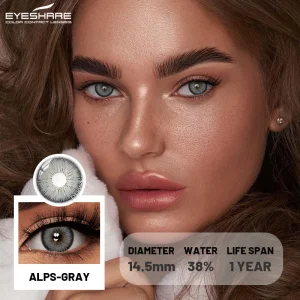
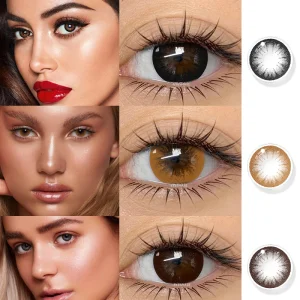
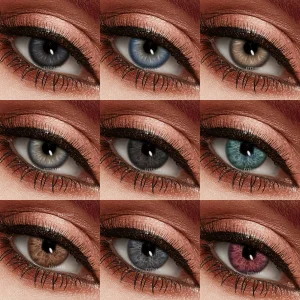
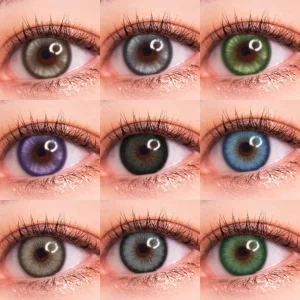
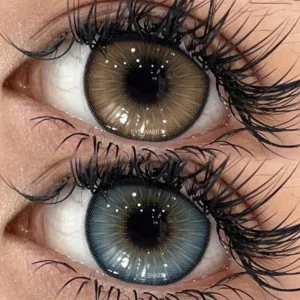
Natural shades (browns, hazelnuts, grays, blues) that blend with the natural iris. Popular for daily wear, office settings, and standard beauty routines.
Lenses that combine vision correction (myopia/presbyopia) with cosmetic tints, offering functional correction and aesthetic enhancement.
The color contact lens industry is evolving with several new technologies:
To protect your business investment, ensure your contact lens manufacturer meets these key requirements:
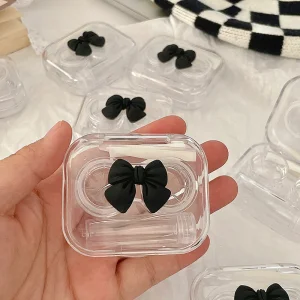
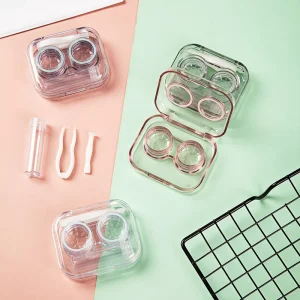
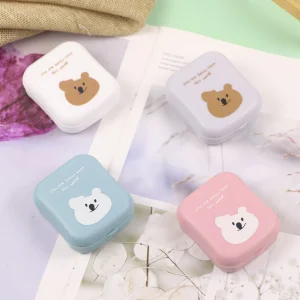
Explore our complete product line, including storage solutions and special effect lenses for global optical brands.
 Chic Contacts