Explore our certified catalog of contact lenses and boutique packaging solutions ready for global distribution.
Analyzing industry growth, regulatory shifts, and technical paradigms across modern ophthalmics.
The contact lens industry has evolved from a correction-only utility to a massive, dynamic segment encompassing lifestyle cosmetics, daily disposables, and customized therapy lenses. Driven by the expansion of direct-to-consumer (D2C) channels and e-commerce distribution platforms, global demand for flexible private-label optical manufacturing has surged. Today, brand owners, regional distributors, and clinical chains no longer look for simple vendors; they demand integrated technology partners who can navigate complex material chemistry, deliver automated quality, and guarantee absolute regulatory compliance. Global logistics hubs require rapid turnaround, precise product identification, and tailored packaging matrices that meet local custom rules while preserving sterile integrity.
Delivering high oxygen transmissibility and superior moisture retention for daily or yearly wear cycles.
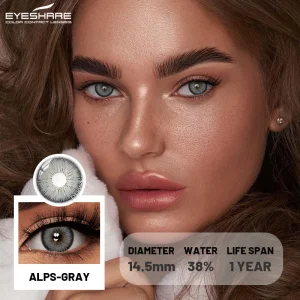
Traditional HEMA (Hydroxyethylmethacrylate) formulations are highly flexible, soft polymers known for structural durability. Modified with hydrophilic monomers like N-Vinyl Pyrrolidone (NVP) and Methacrylic Acid (MAA), HEMA-based hydrogels achieve high water content (38% to 58%) and mechanical stability, making them excellent choices for cosmetic pattern integration and cost-effective annual wear configurations.
By blending silicone monomers with hydrophilic agents, modern silicone hydrogels allow direct oxygen passage (transmissibility $Dk/t$ up to 100+). This bypasses the structural dependence on water content to transport oxygen, significantly lowering the risk of corneal hypoxia and dry-eye symptoms during extended wear cycles or long working hours.
Utilizing high-end technology like plasma treatment and incorporating internal humectants (e.g., Hyaluronic Acid or PEG), we create a barrier that resists lipid and protein deposits. This ensures the ocular interface remains clean, clear, and perfectly lubricated throughout the entire recommended lifespan of the lens.
Technical Insight: Ocular health depends directly on maintaining the cornea's normal aerobic metabolism. Choosing the right material configuration (HEMA vs. Silicone Hydrogel) requires balancing parameters like tensile strength, optical center thickness, base curve radius ($8.5\text{mm} - 8.6\text{mm}$), water content, and oxygen permeability.
| Material Class | Water Content | Dk/t (Oxygen Transmissibility) | Modulus (MPa) | Ideal Application Scenario |
|---|---|---|---|---|
| HEMA-based Hydrogel | 38% - 42% | 15 - 20 | 0.35 - 0.45 | Vibrant cosmetic colored lenses, cosplay designs, cost-effective annual wear options. |
| High Water Hydrogel | 55% - 58% | 25 - 30 | 0.30 - 0.38 | Standard daily disposables, short-term wear, high initial comfort. |
| Silicone Hydrogel (SiHy) | 33% - 45% | 90 - 120 | 0.50 - 0.75 | Extended wear, premium daily/weekly disposables, health-first prescription lenses. |
Your Trusted Global OEM/ODM and Private-Label Manufacturing Partner.
Founded in Dongguan, China, Dongguan Chic Contacts Co., Ltd. is a leading, specialized manufacturer dedicated to the research, development, and high-volume production of premium contact lenses and colored cosmetic lenses.
Operating from a state-of-the-art, GMP-standard cleanroom facility, we combine advanced cast-molding technologies with automated production lines to deliver lenses with exceptional oxygen permeability, moisture retention, and centration. Our robust supply chain allows us to support an extensive portfolio, ranging from daily disposables to yearly replacement lenses, utilizing market-proven materials like Hydrogel and Hema.
As a trusted global OEM/ODM and private-label partner, Chic Contacts strictly adheres to international quality management systems, ensuring our products meet stringent global regulatory standards (CE/ISO). From custom pattern design and fast prototyping to mass production and compliant packaging, we provide end-to-end manufacturing solutions that empower global eyewear brands, distributors, and fast-fashion labels to scale with confidence.
From chemical synthesis and multi-tonal pattern printing to automated inspection and packaging.
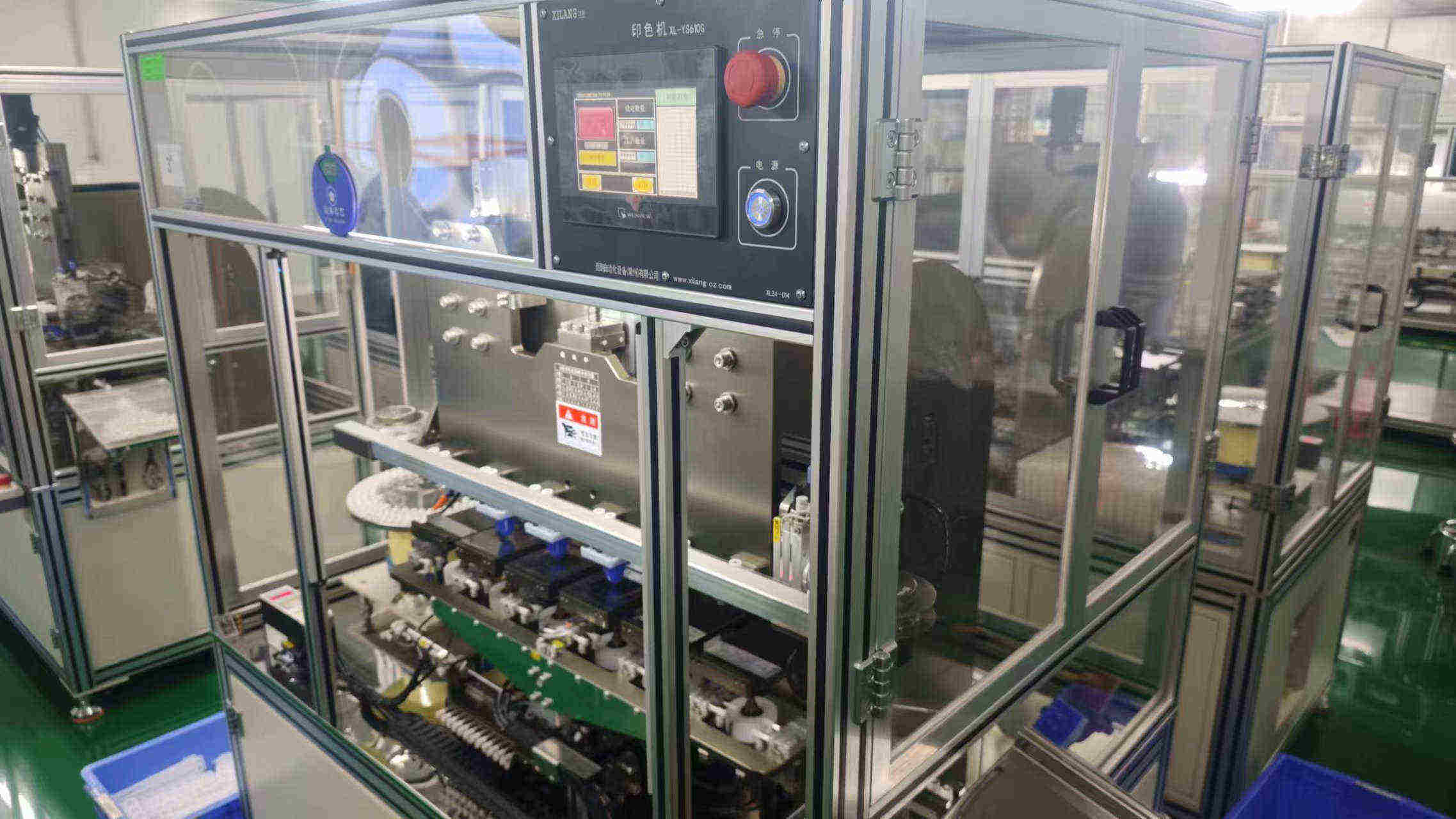
We utilize automated pad printing to apply multi-tonal cosmetic pigments onto the mold surface. Our "sandwich" method locks the pigment between protective polymer layers, preventing direct ink contact with the eye.
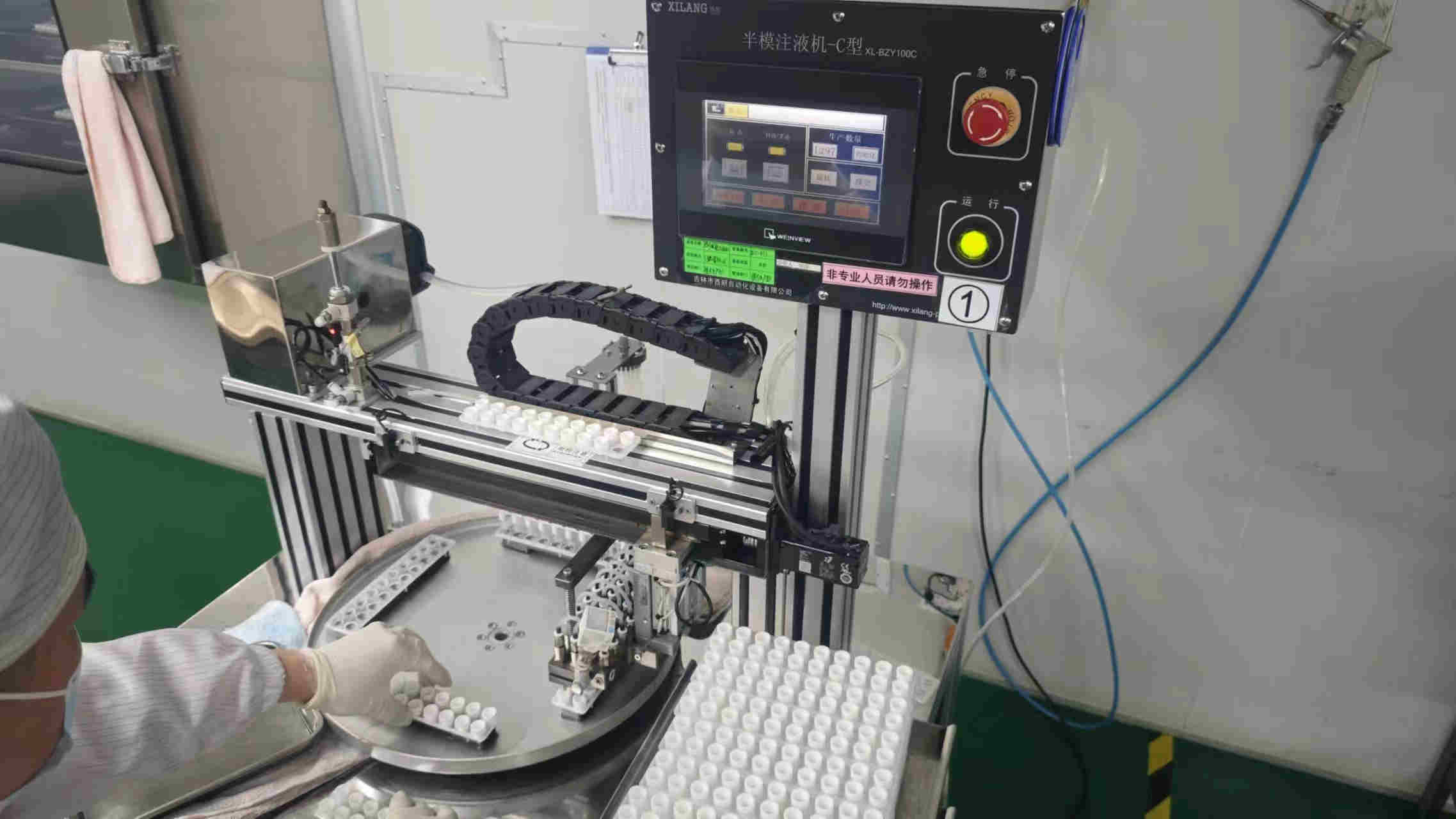
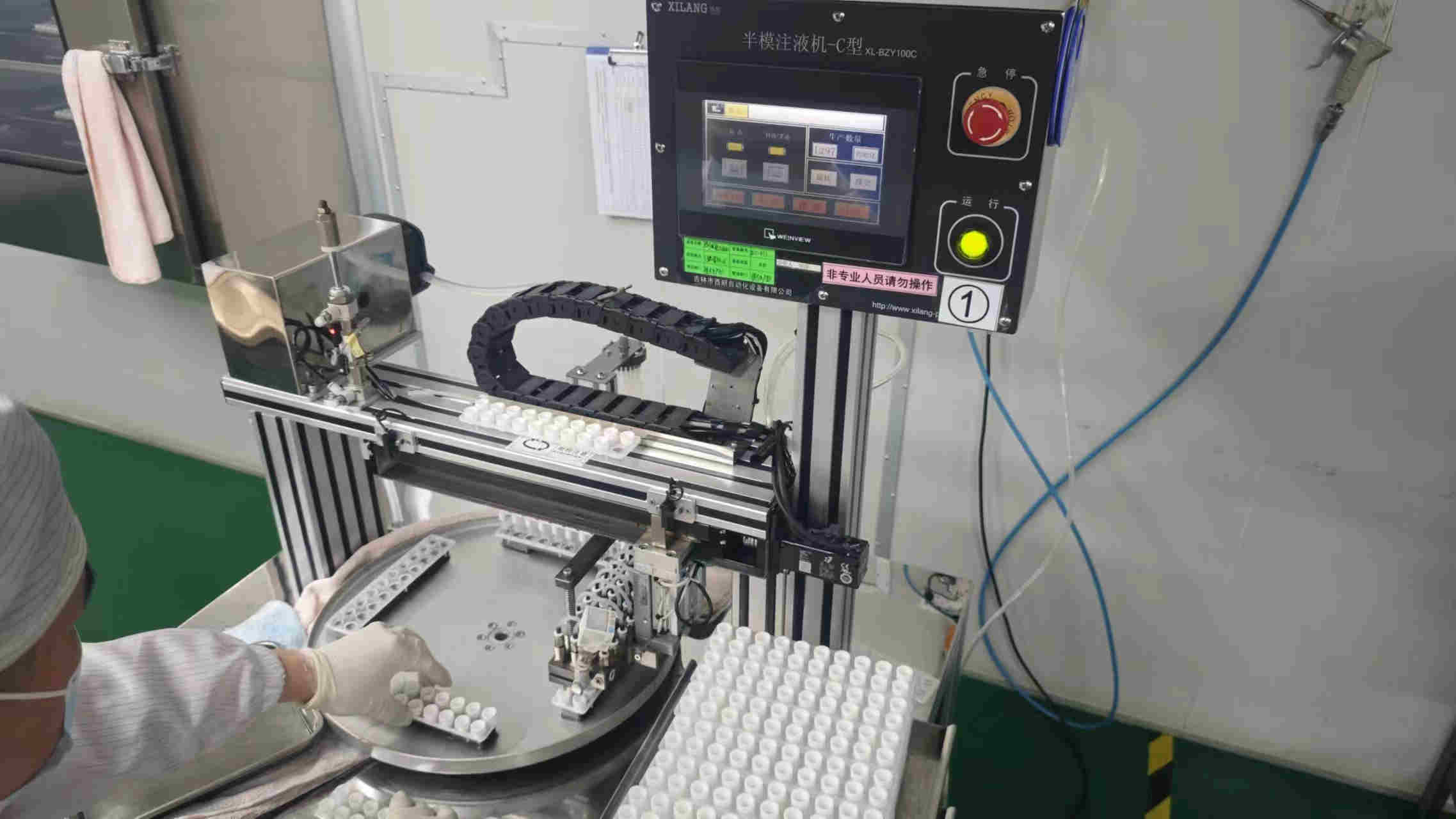
Liquid monomers and crosslinkers are precisely dispensed into the female mold cavity using automated pneumatic micro-pipettes, ensuring consistent base curves and diameter parameters.
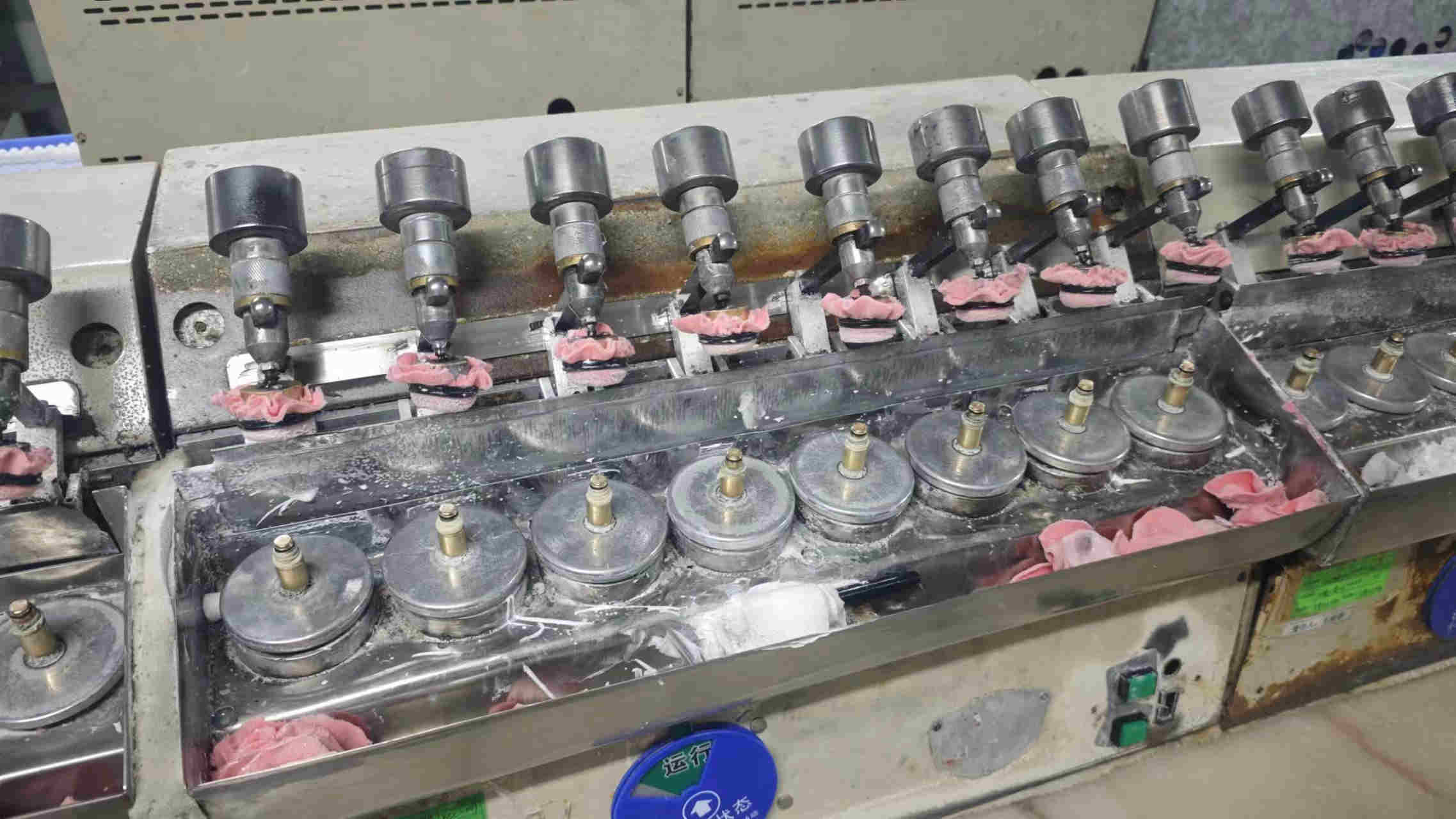
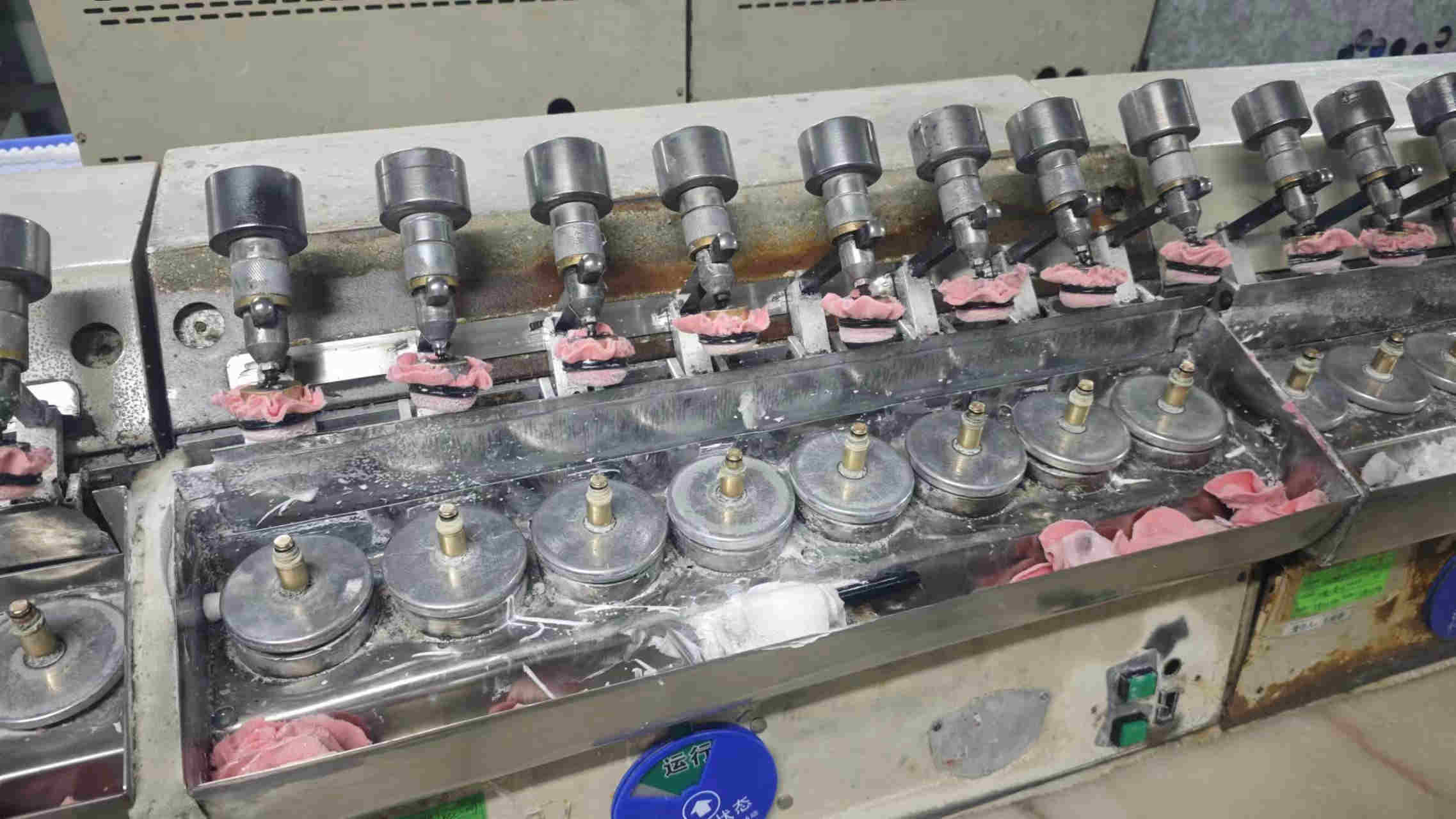
Following curing and demolding, the lens edges are polished and refined to eliminate micro-burrs, creating a smooth edge profile that optimizes tear exchange and prevents corneal irritation.
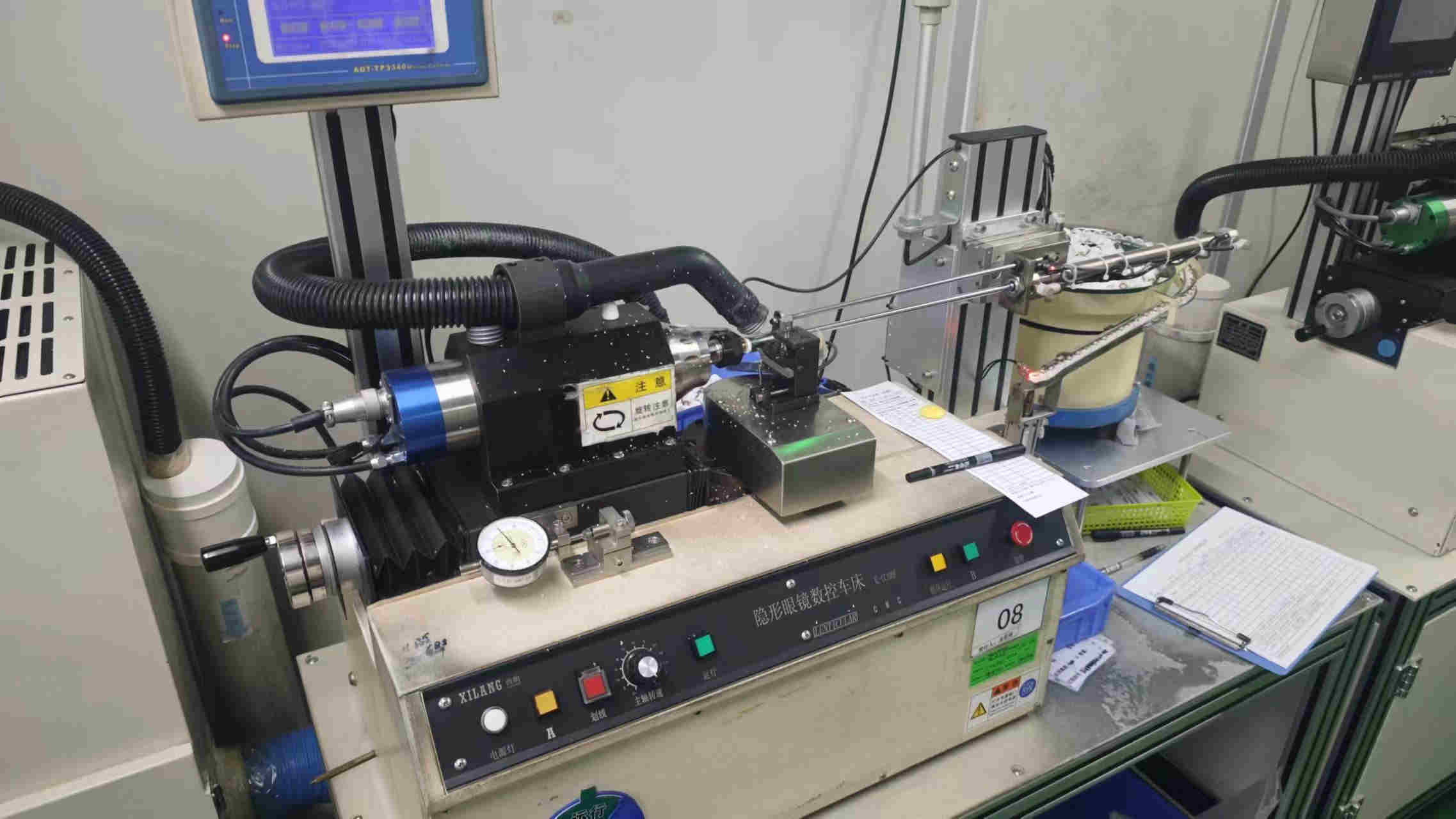
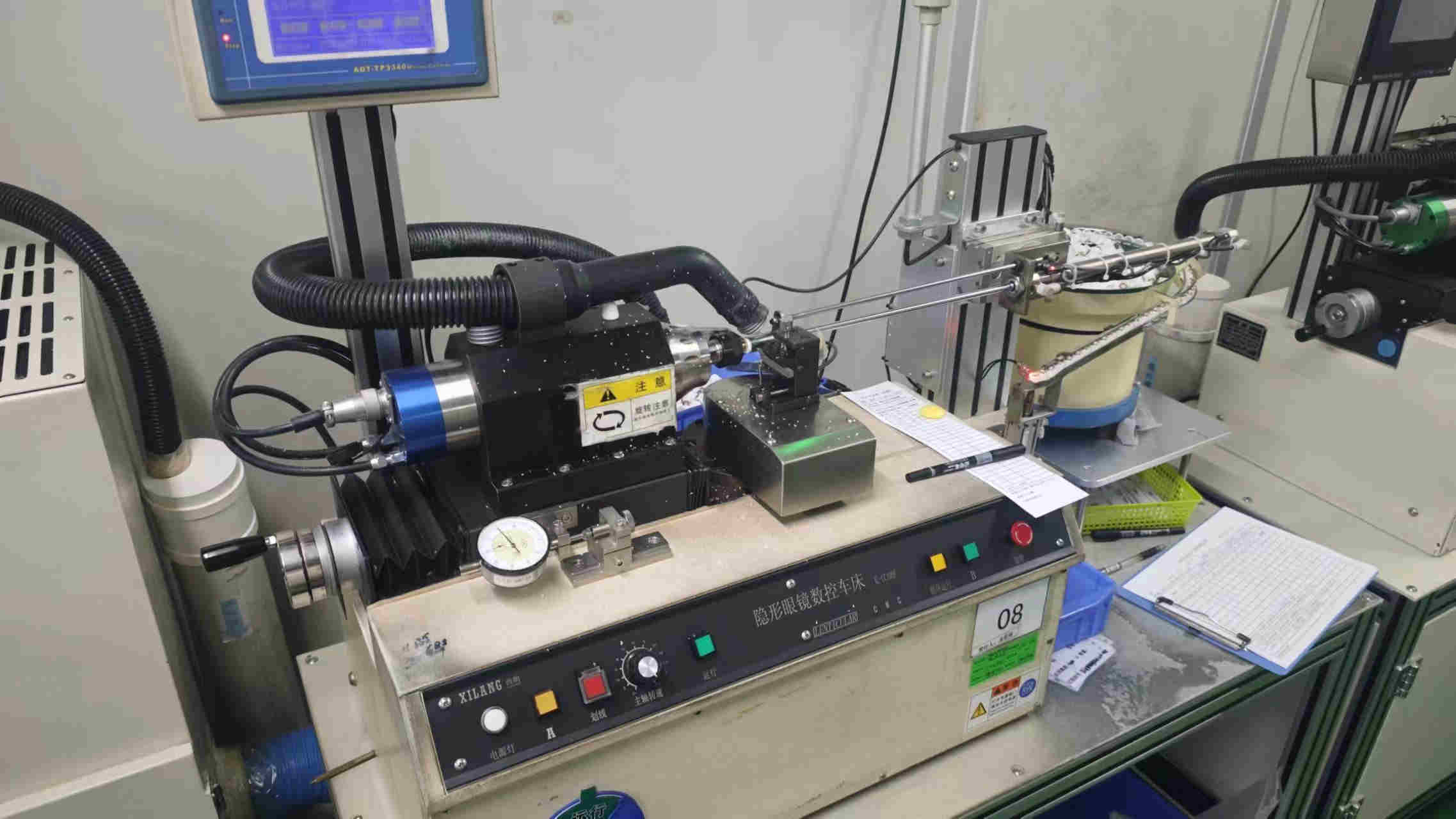
For specialty custom and prescription lenses, high-precision sub-micron CNC diamond lathes carve specific correction powers directly onto the dehydrated polymer blanks.
Lenses are run through an initial optoelectronic inspection to identify tears, air bubbles, center thickness deviations, and printing defects.
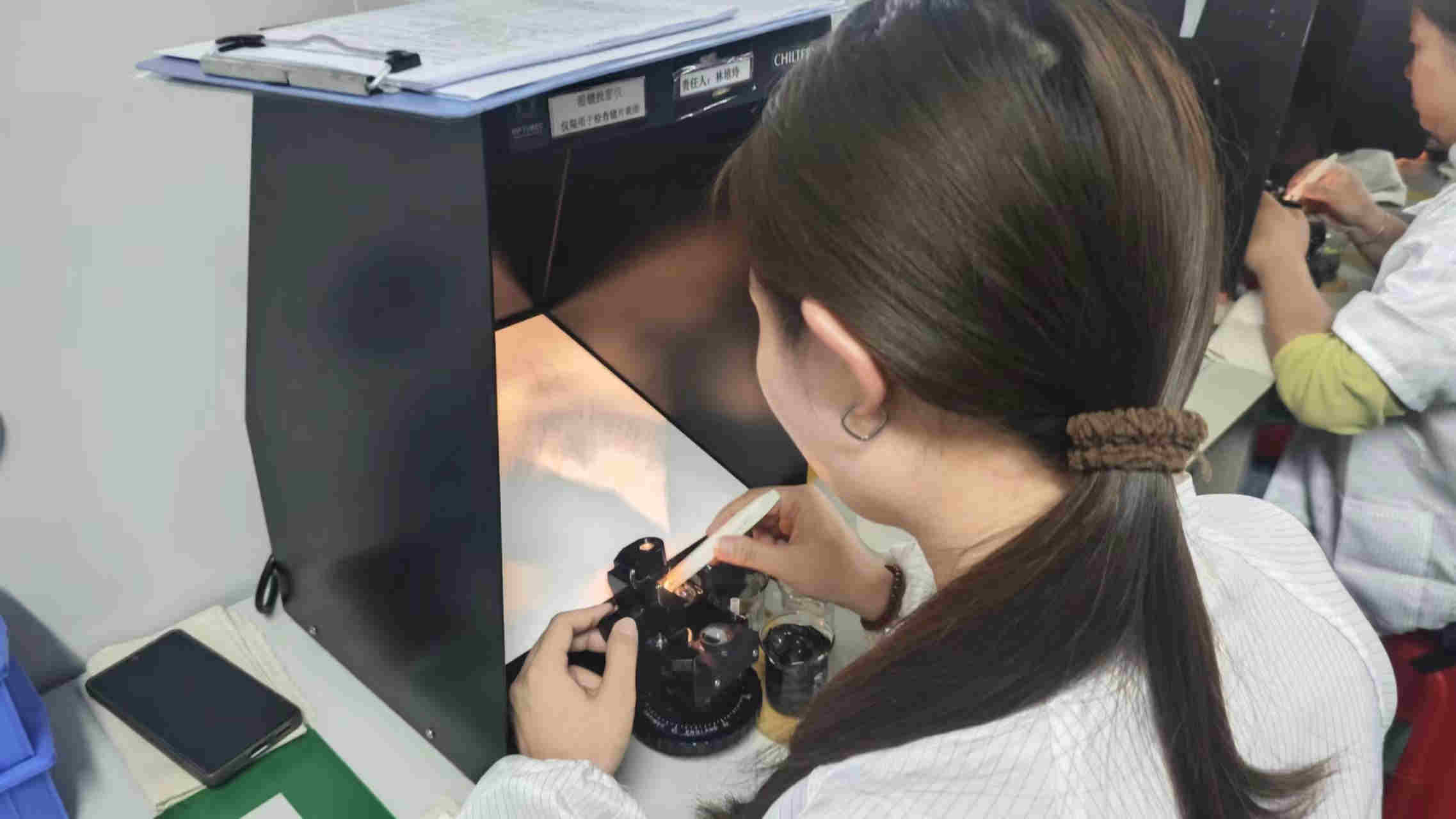
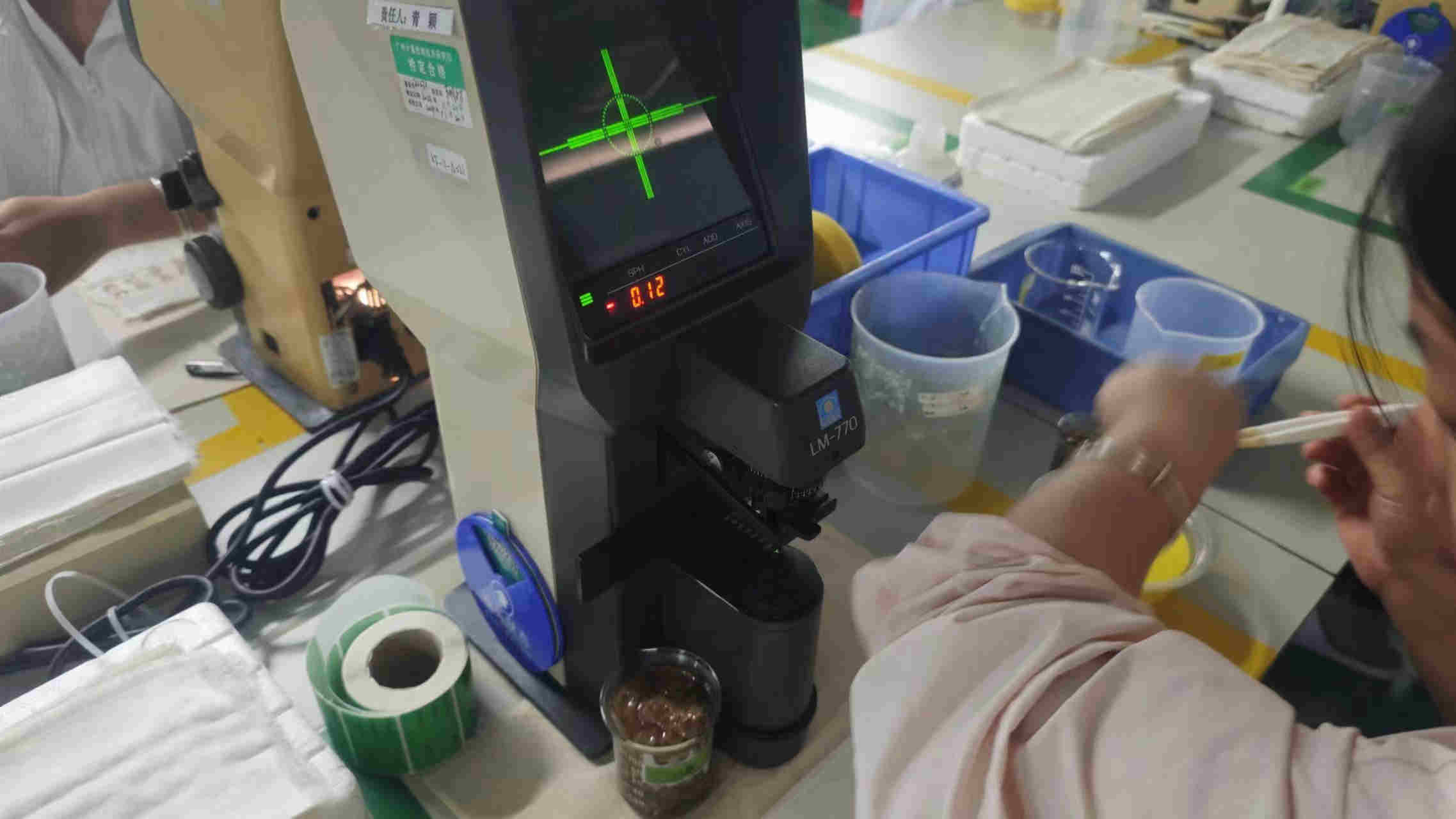
We run a secondary check on fully hydrated lenses using multi-angle projector screens to verify base curves, optical power, and surface geometry parameters.
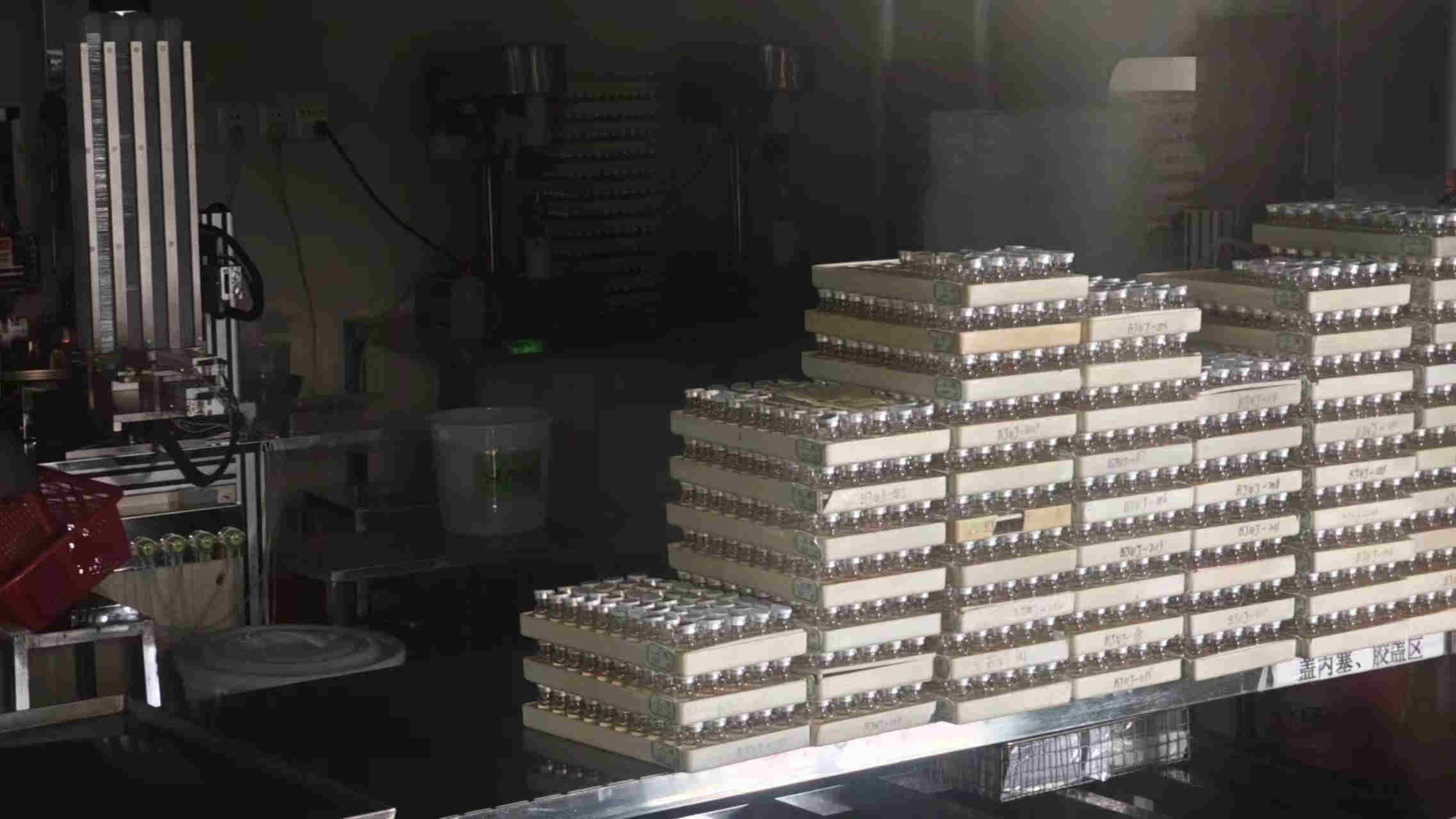
Lenses are automatically placed in plastic blisters or glass vials containing sterile buffered saline solution, then sealed with medical-grade aluminum foil.
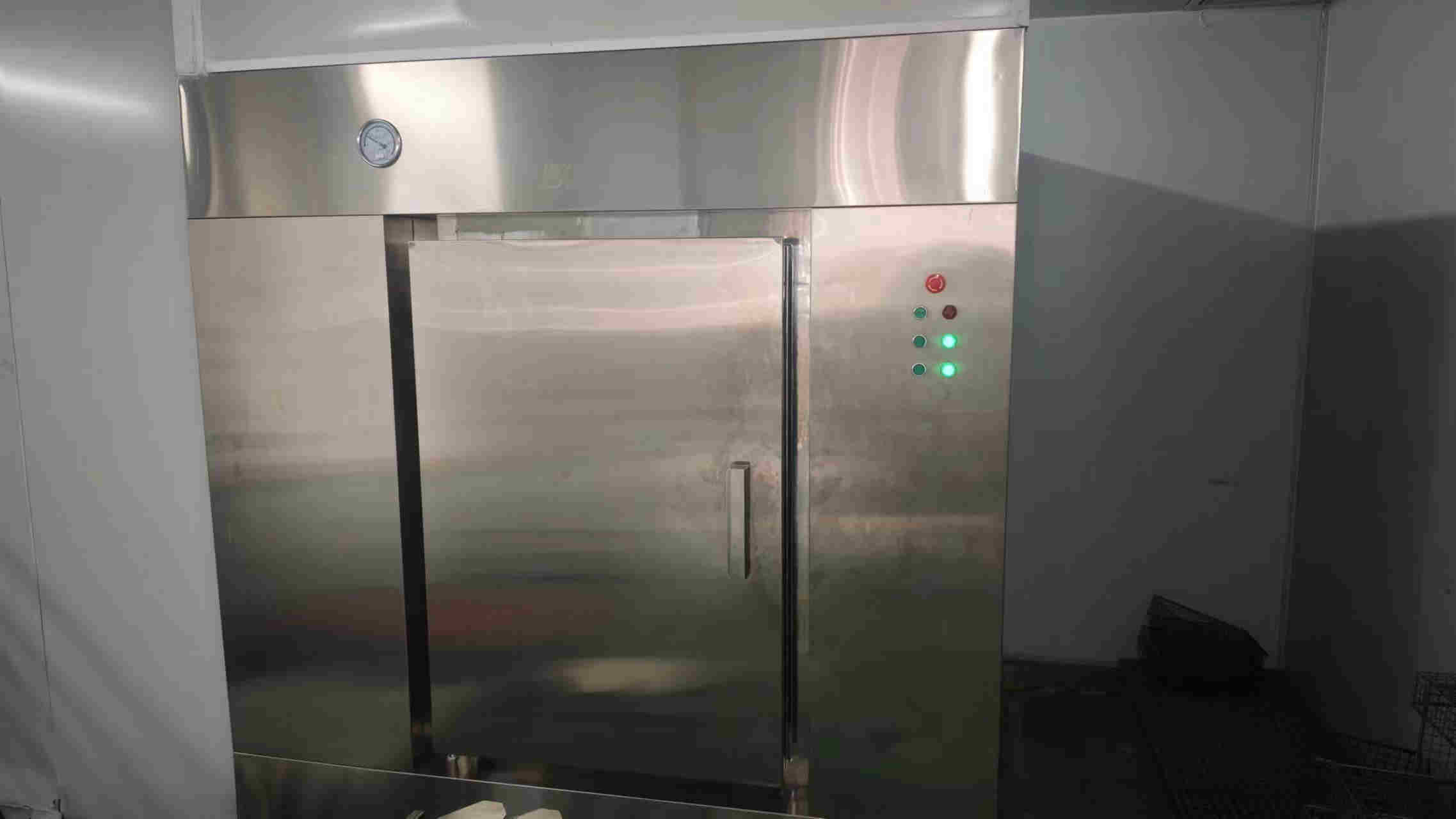
Fully sealed products undergo high-pressure moist heat terminal sterilization in medical autoclaves at 121°C for 20 minutes to guarantee complete product sterility.
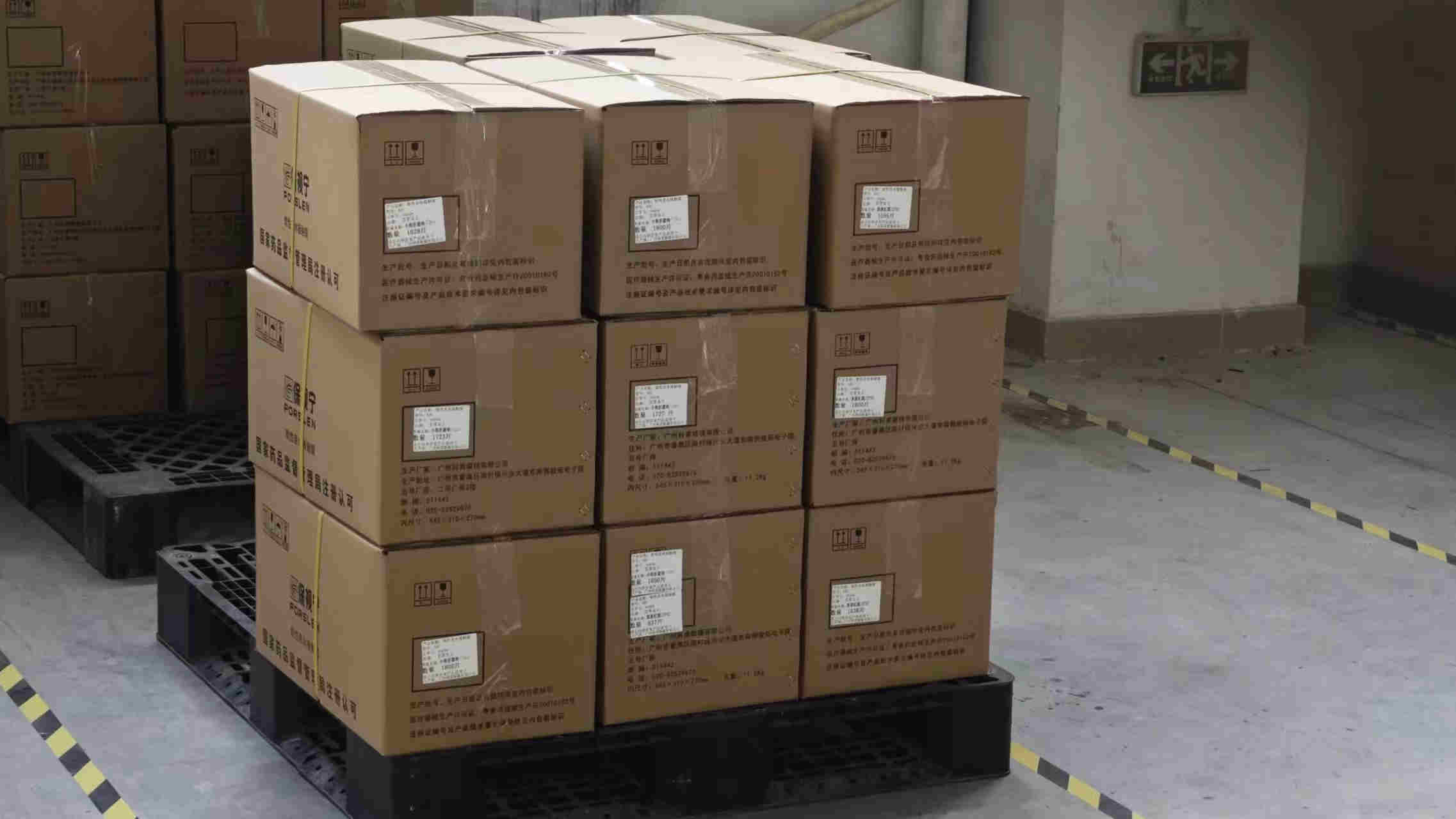
Sterilized packages are boxed with custom graphics and instruction leaflets, ready for global shipping with full batch traceability.
Equipped with diamond tip tools and air-bearing spindles, our CNC cutting units maintain sub-micron tolerances for complex toric and multifocal prescriptions.
Operating in a Class 100,000 cleanroom, these automated micro-injection systems prevent raw material contamination prior to thermal curing.
These automated polishing stations run wet-polishing cycles to produce smooth edges, optimizing oxygen permeability and wearing comfort.
A comprehensive guide to product design, certification paths, and customs clearance protocols.
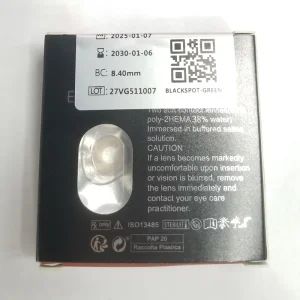
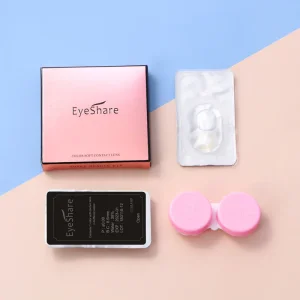
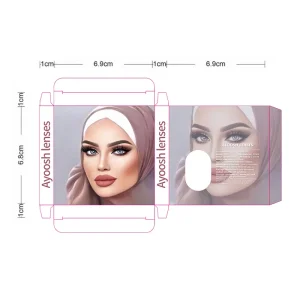
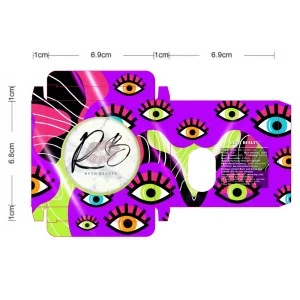
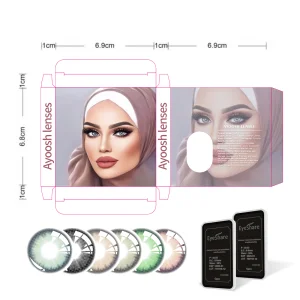
We work with brand owners to design custom primary and secondary packaging. This includes designing certified medical paperboard boxes, blister foil art, and multi-language instruction leaflets. We ensure barcode labels conform with GS1 standards for easy tracking.
We provide full documentation to help you secure local import clearances. Our technical support covers CE MDR Class IIa/IIb folders, ISO 13485 quality system certificates, US FDA 510(k) filings, and biocompatibility study reports (ISO 10993) to streamline the application process.
Liquid medical devices require careful handling at customs. We provide complete documentation—including sterile validation reports, non-DG declarations, MSDS sheets, and certificates of origin—to prevent delays at international ports of entry.
Adapting physical lens parameters and design palettes to meet regional customer preferences.
High demand for premium daily disposables made from silicone hydrogel. Design preferences lean towards subtle enhancement tones. Fast, clean packaging and strict FDA/CE MDR medical device markings are essential for high-end consumer retail distribution.
Driven by beauty trends, the market prefers larger graphic diameters (circle lenses) with high water content and bold, multi-tone colors. The cosplay and fantasy segments also generate high seasonal demand for solid-color lenses (e.g., sharingan, red, cosplay white).
Prefers striking, high-contrast colors (e.g., hazel, blue, green) that stand out on dark irises. Key features must include strong UV protection and durable material formulas (HEMA/Hydrogel) that resist dry conditions and high temperatures.
Direct answers to questions regarding MOQ limits, material safety certifications, and custom packaging workflows.
For standard hydrogel and colored lenses in bulk, the MOQ starts at 1,000 pairs per SKU. For fully customized private-label packaging and custom graphic pattern printing, the MOQ typically ranges between 5,000 and 10,000 units per order run to optimize setup costs.
We use a sandwich embedding method. The cosmetic pattern is printed on a layer of lens polymer and then sealed under a clean protective hydrogel layer. This prevents the color pigments from contacting the cornea or eyelid, avoiding irritation or color fading.
Our production lines comply with ISO 13485 (Medical Devices Quality Management Systems). The lenses carry CE certification for European markets and conform with GMP manufacturing conditions, ensuring compliance with international medical device standards.
We run real-time and accelerated aging studies (according to ASTM standards) to validate a 5-year sterile shelf life. Every manufacturing run is sterilized using moist heat autoclaving (121°C) and tracked with physical, chemical, and biological indicators.
Yes. Using advanced CNC lathe cutting machines, we manufacture spherical lenses as well as complex toric lenses for astigmatism, with customizable cylinder axis adjustments down to single-degree increments.
The onboarding process typically takes 6 to 8 weeks. This includes artwork and pattern design confirmation (1-2 weeks), physical prototyping and adjustments (2 weeks), and volume production, packaging, and final sterilization validation (3-4 weeks).
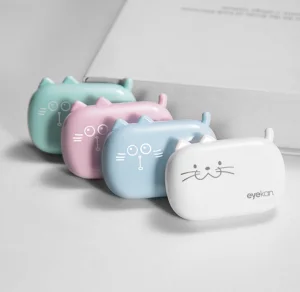
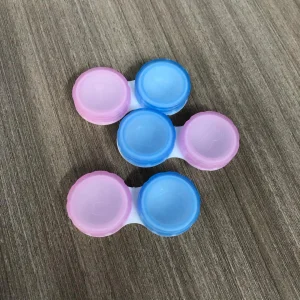
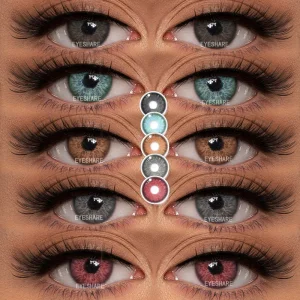
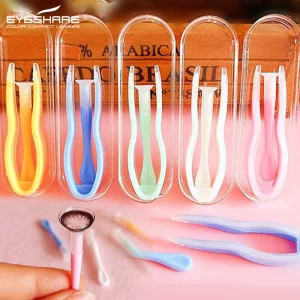
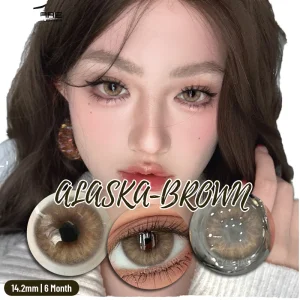
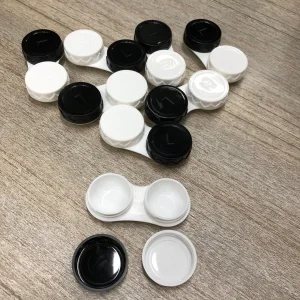
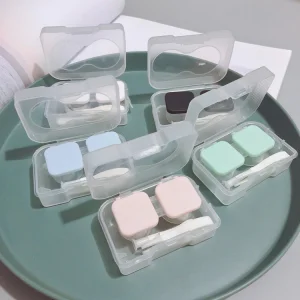
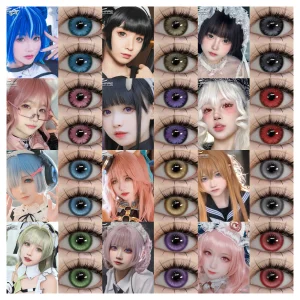
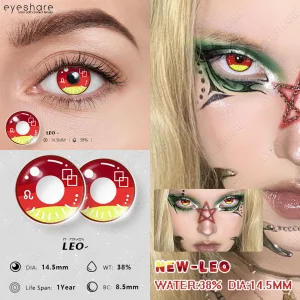
Maintain your competitive edge with our cosplay, yearly corrective lenses, and travel-ready storage cases.
 Chic Contacts