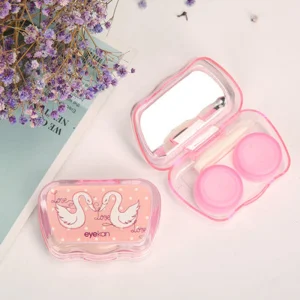
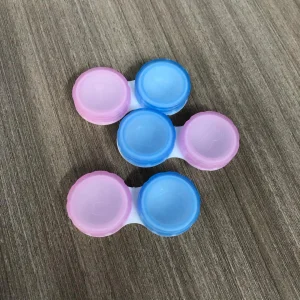
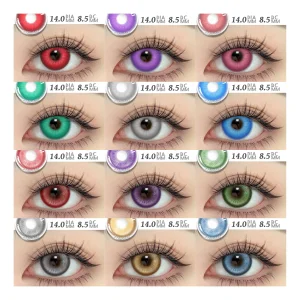
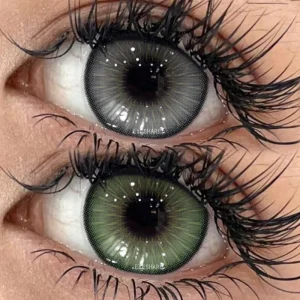
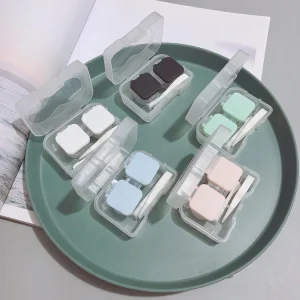
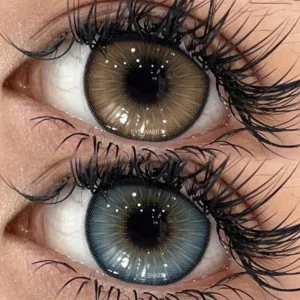
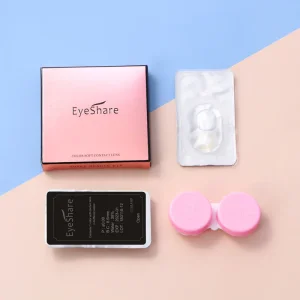
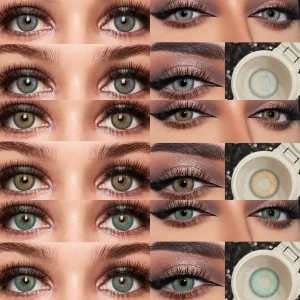
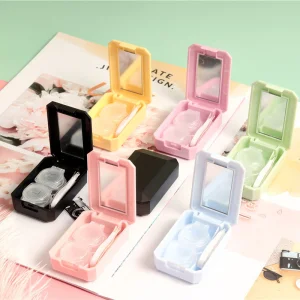
Explore our state-of-the-art contact lens series and matching accessories, engineered to maximize user compliance and structural hygiene.
The global contact lens industry is undergoing a significant transformation. Traditionally, the primary benchmarks for premium contact lenses have centered on oxygen transmissibility (Dk/t), optical clarity, and hydration levels. However, as epidemiological data continues to highlight the risks of lens-associated corneal infections, the integration of antimicrobial properties has emerged as the next crucial frontier in product innovation.
Microbial keratitis remains one of the most severe complications for contact lens wearers worldwide. Studies show that a substantial portion of these ocular infections are initiated by bacterial adhesion to the lens surface, followed by the rapid development of resilient biofilms. Once a biofilm is established, pathogens such as Pseudomonas aeruginosa, Staphylococcus aureus, and Acanthamoeba become highly resistant to host immune responses and typical multi-purpose disinfecting solutions. As a forward-thinking Custom OEM Antimicrobial Contact Lenses Manufacturer, Dongguan Chic Contacts Co., Ltd. addresses this persistent medical challenge at the material level.
Did you know? Traditional multi-purpose contact lens solutions are often subject to user non-compliance, leaving lenses exposed to potential microbial colonization. Incorporating active or passive antimicrobial properties directly into the lens matrix or surface coating offers an ongoing defense mechanism during wear.
By shifting the defense line from external storage solutions to the physical lens itself, B2B eyewear brands and medical-device distributors can offer unprecedented safety margins. This not only enhances patient safety but also establishes a powerful market differentiator for private labels and consumer brands globally.
To engineer a contact lens that successfully resists microbial colonization without compromising ocular biocompatibility, manufacturers utilize two primary methodologies: Active Bio-inhibition and Passive Anti-adhesion coatings.
Active systems seek to neutralize pathogens upon contact. This is achieved by incorporating tiny quantities of safe, biocompatible antimicrobial agents directly into the polymer matrix (Hydrogel or Silicone Hydrogel). The most commercially viable and clinically researched active mechanisms include:
Rather than destroying bacteria, passive mechanisms render the lens surface highly slippery and hostile to initial attachment. This is typically achieved via:
Dongguan Chic Contacts Co., Ltd. R&D Focus: Our engineering team specializes in balancing antimicrobial efficacy with high biocompatibility. We optimize the Dk/t value and keep the water content stable, ensuring the lens remains highly oxygen-permeable and comfortable for the end user.
Understanding the technical requirements, regulatory paths, and key performance indicators when selecting an OEM partner.
Contact lenses are classified as medical devices globally. We maintain ISO 13485 quality systems and provide comprehensive dossier support for CE (MDR) and FDA submissions, ensuring a smooth path to market.
Every antimicrobial batch undergoes rigorous ISO 10993 cytotoxicity, ocular irritation, and systemic toxicity evaluation, ensuring the antimicrobial agent does not harm the corneal epithelium.
We validate antimicrobial efficacy under ISO 11930 standards, guaranteeing a significant reduction in bacteria over the lens lifetime, without compromising optical power or physical comfort.
The global eye care supply chain demands high efficiency, scale, and consistency. As a leading manufacturer based in Dongguan, China's premier high-tech manufacturing hub, Dongguan Chic Contacts Co., Ltd. leverages a highly resilient and automated industrial infrastructure to support global distributors.
Through our commitment to "Industry 4.0" automation, we integrate advanced cast-molding systems with real-time quality monitoring. Unlike traditional manual processes, our smart factory lines reduce human-contact contamination risks—a vital prerequisite when manufacturing sterile medical products like antimicrobial lenses.
See the step-by-step manufacturing and quality control workflow at Dongguan Chic Contacts Co., Ltd., combining precision engineering with clinical-grade safety protocols.
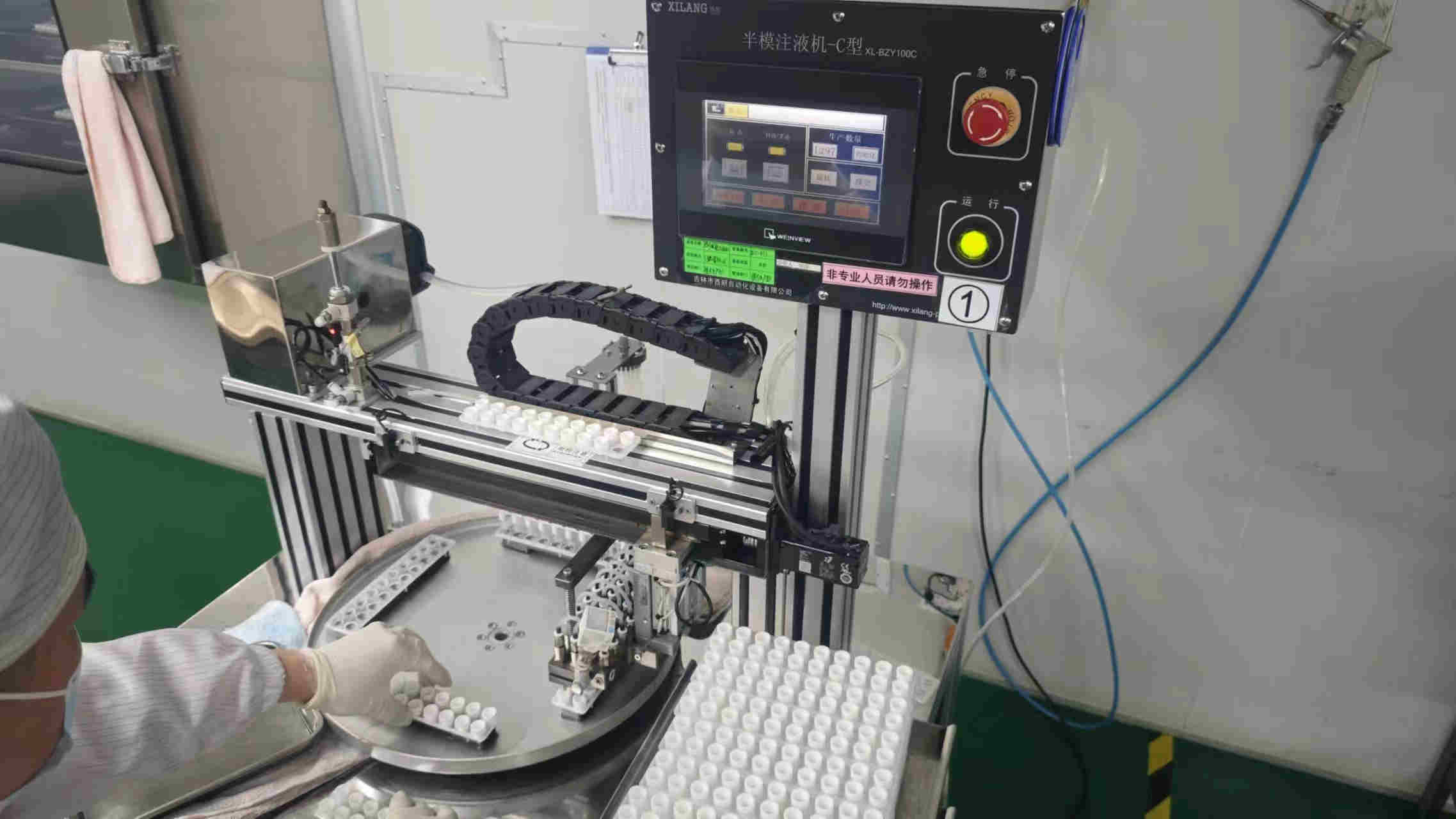
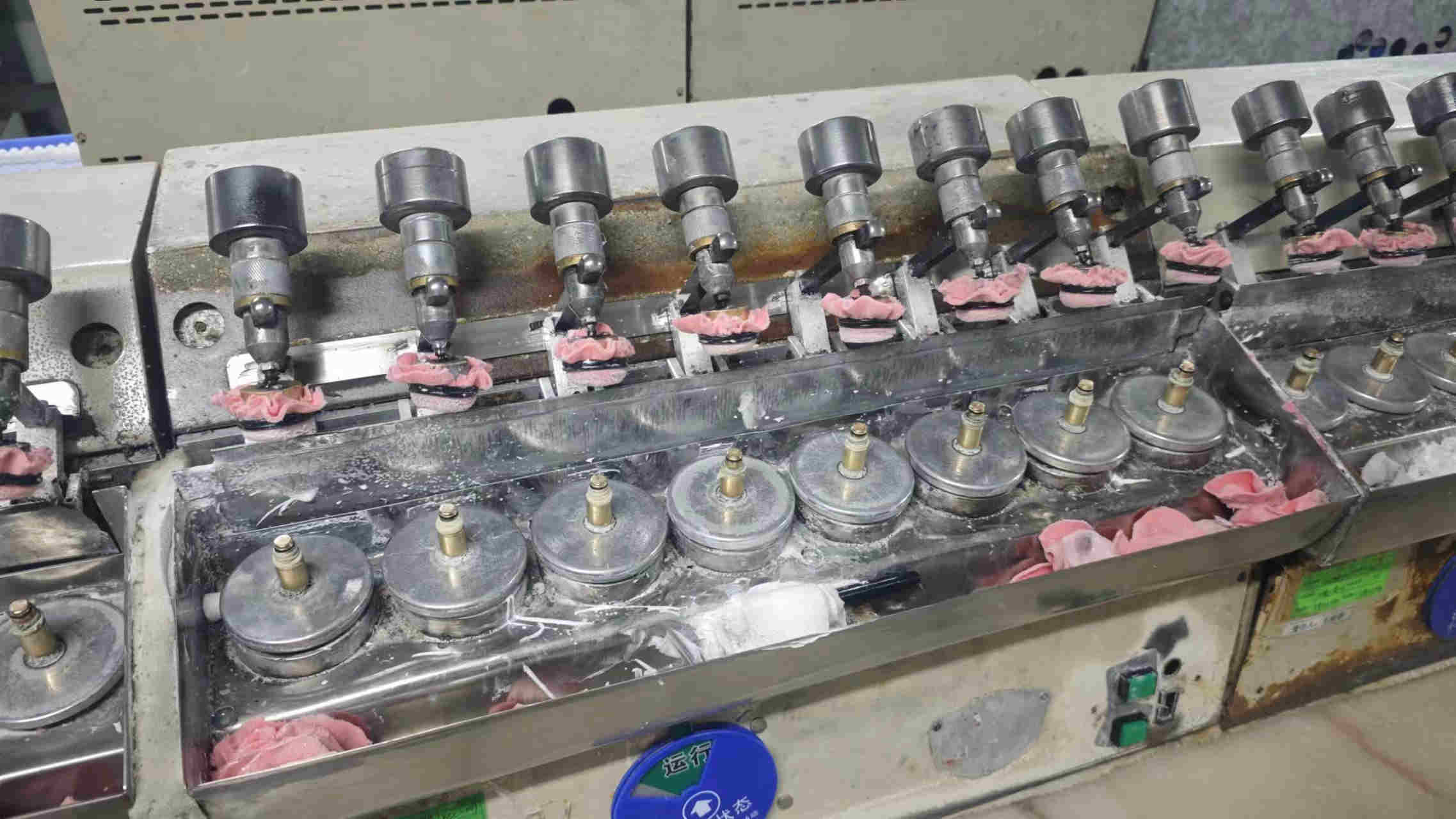
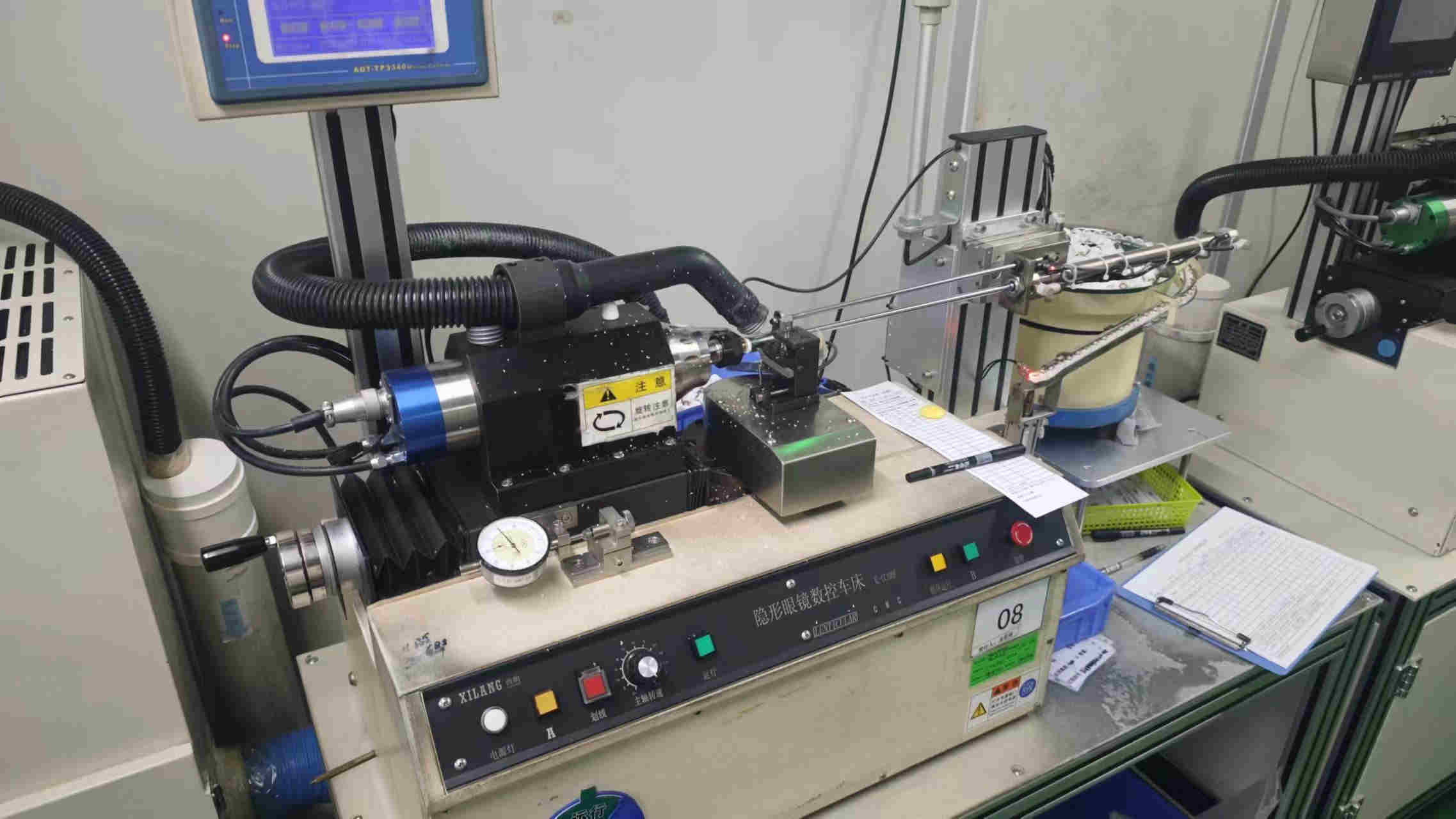
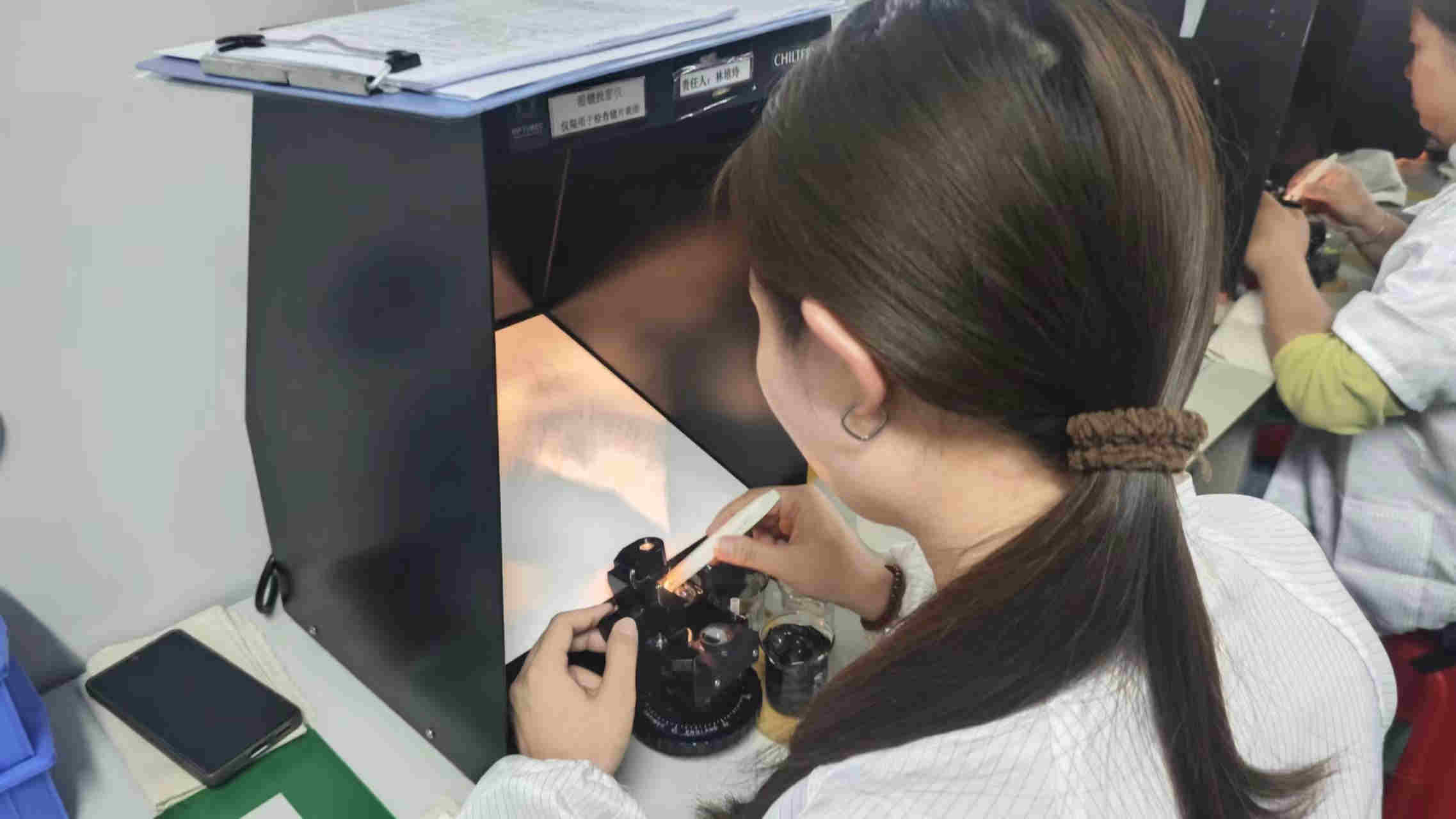
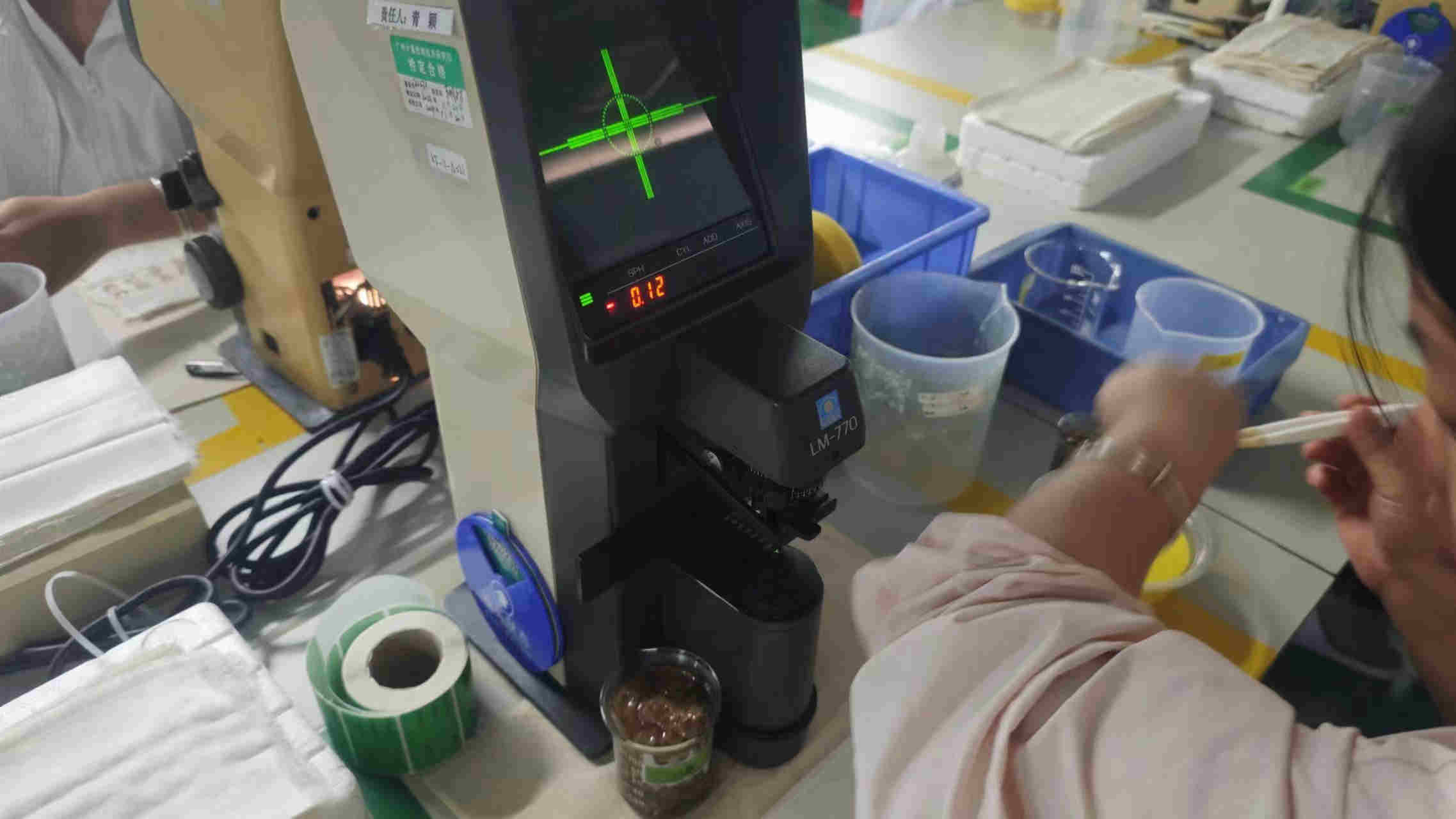
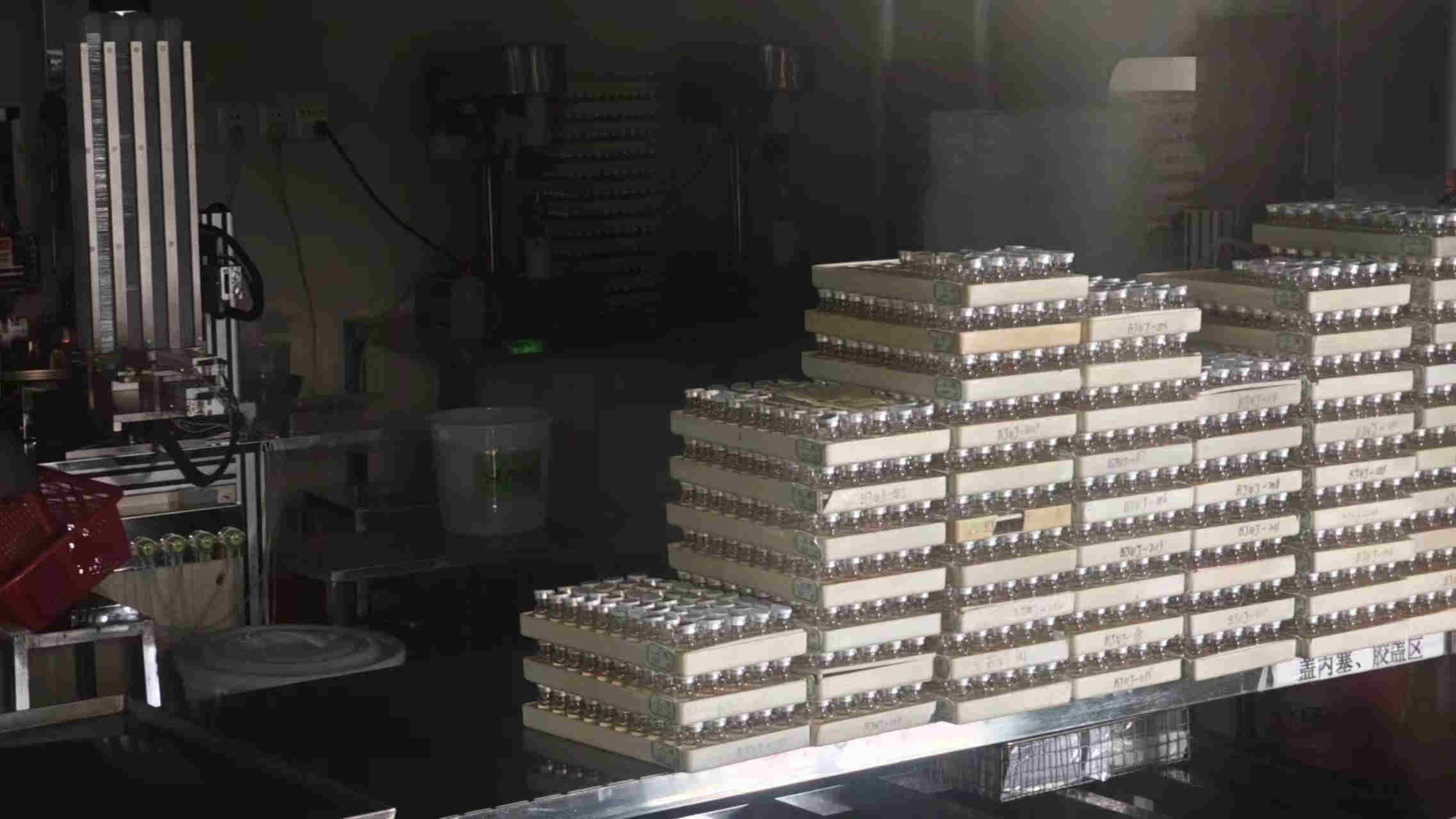
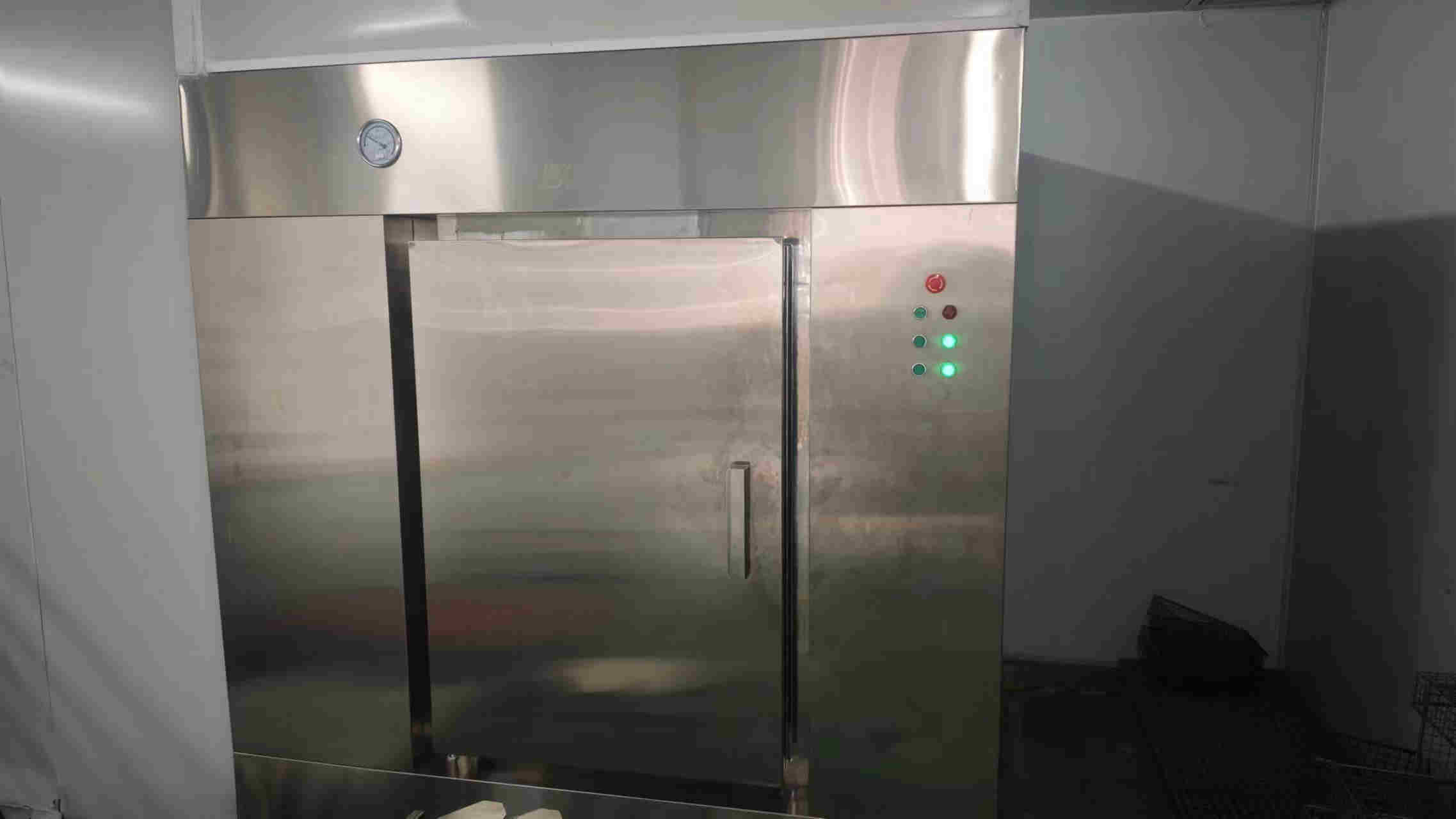
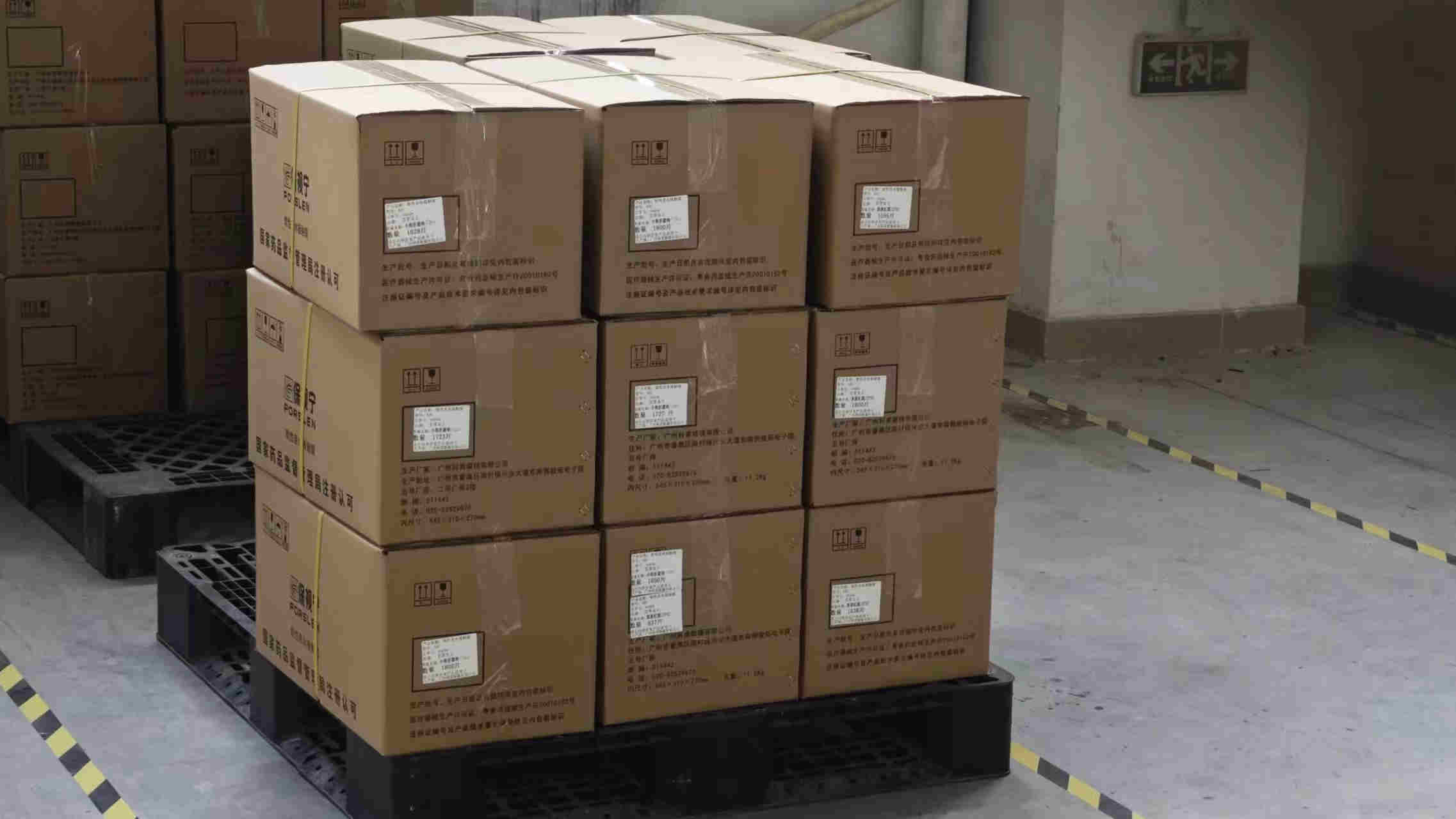
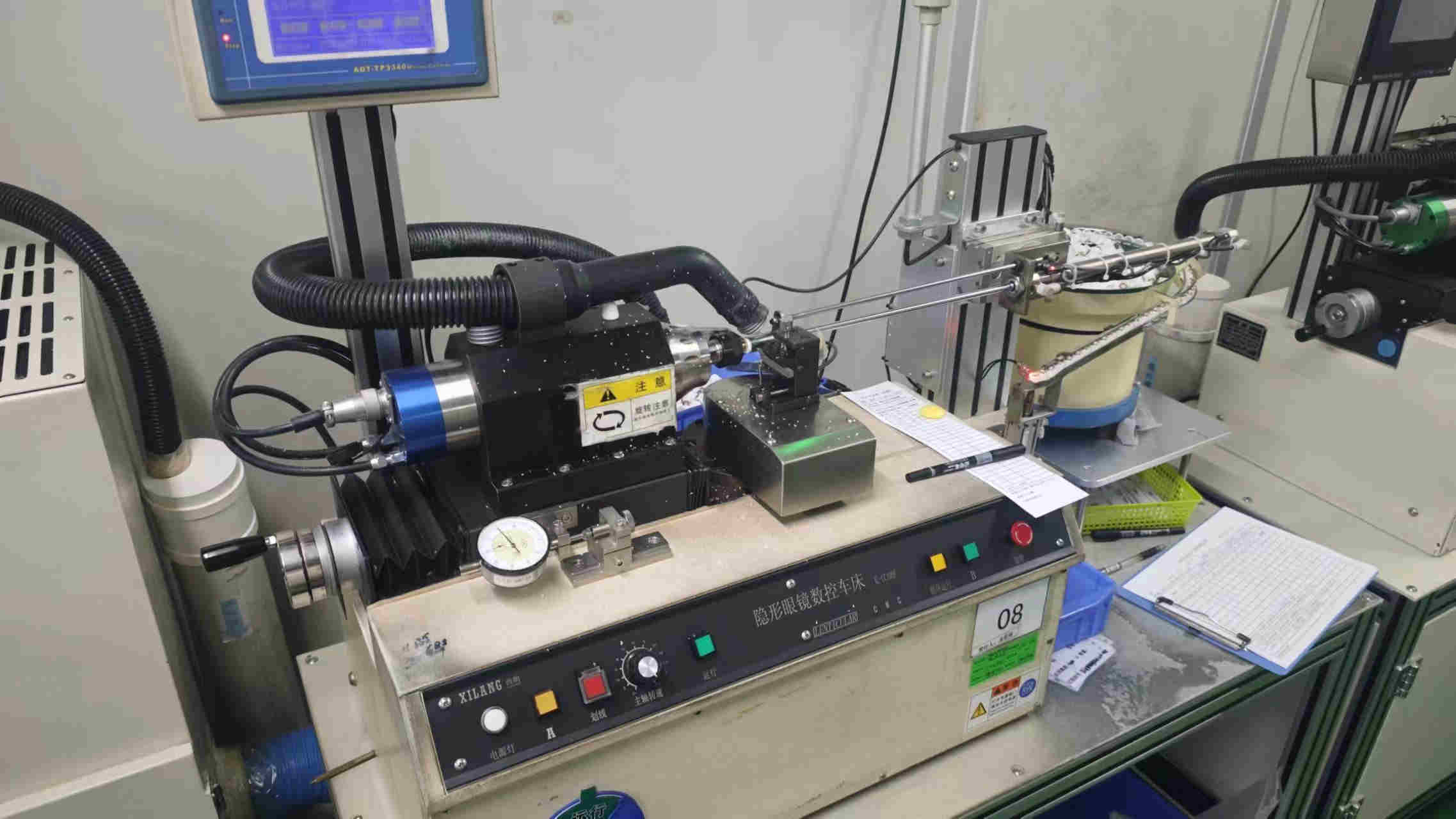
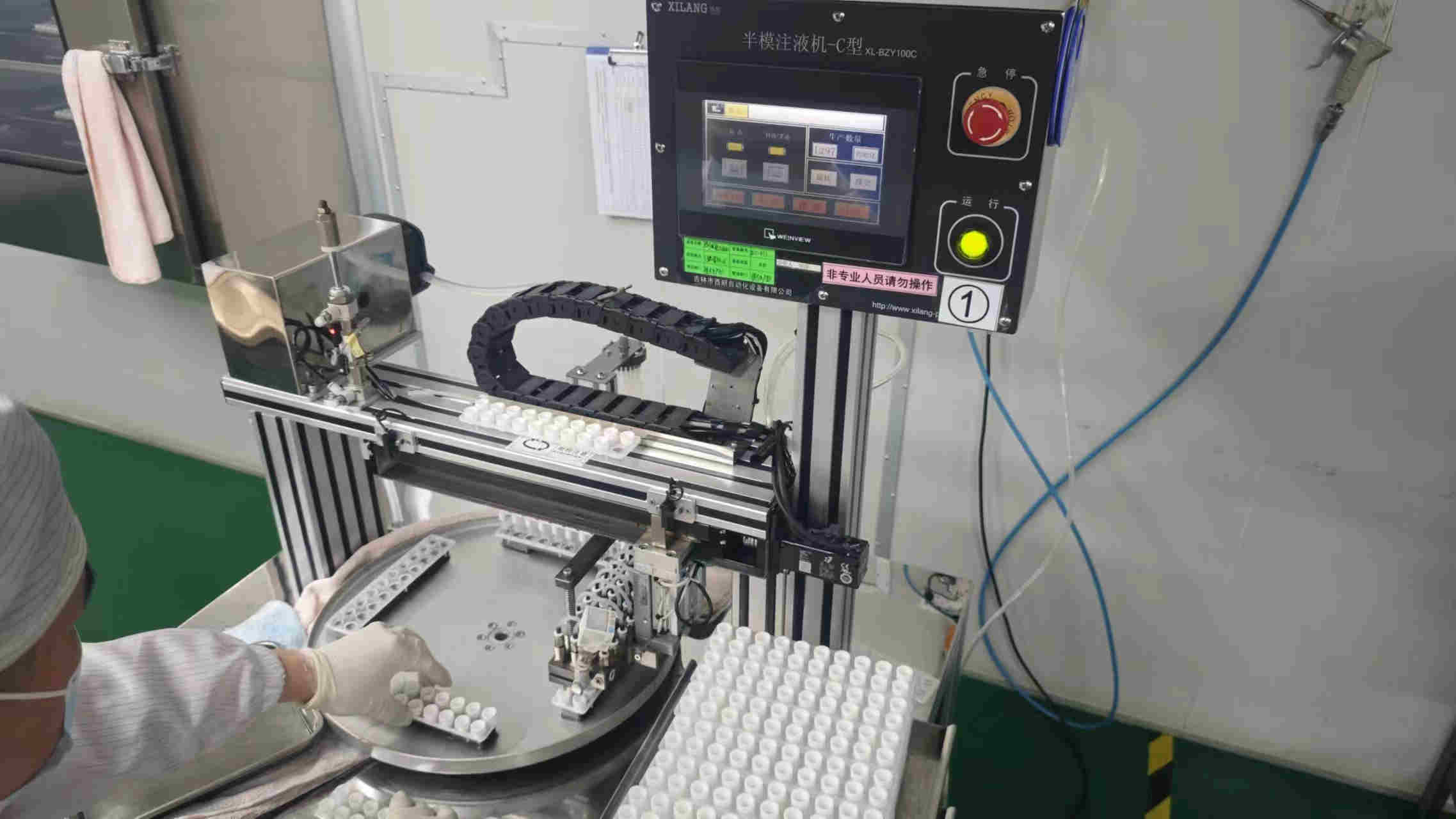
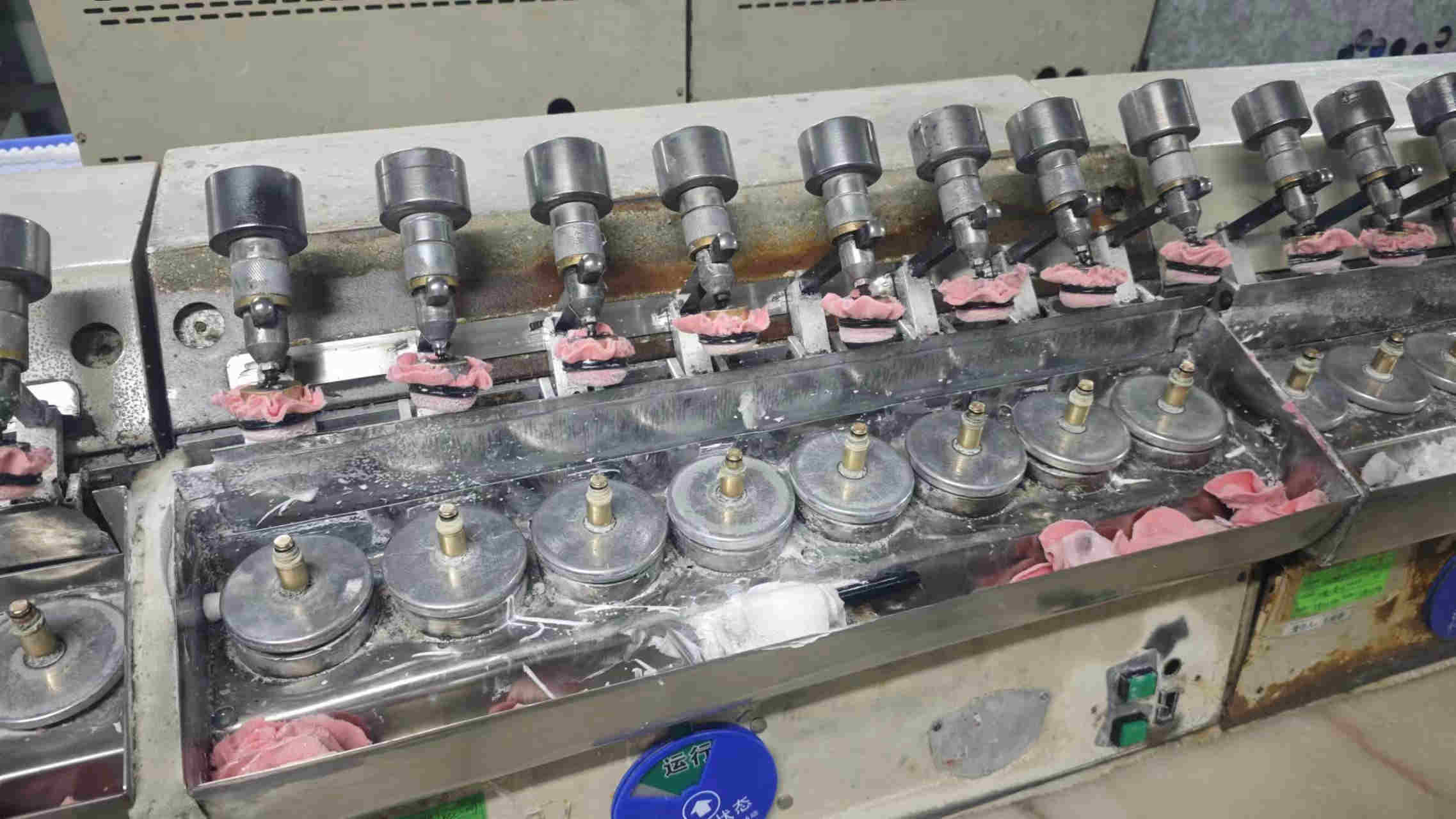
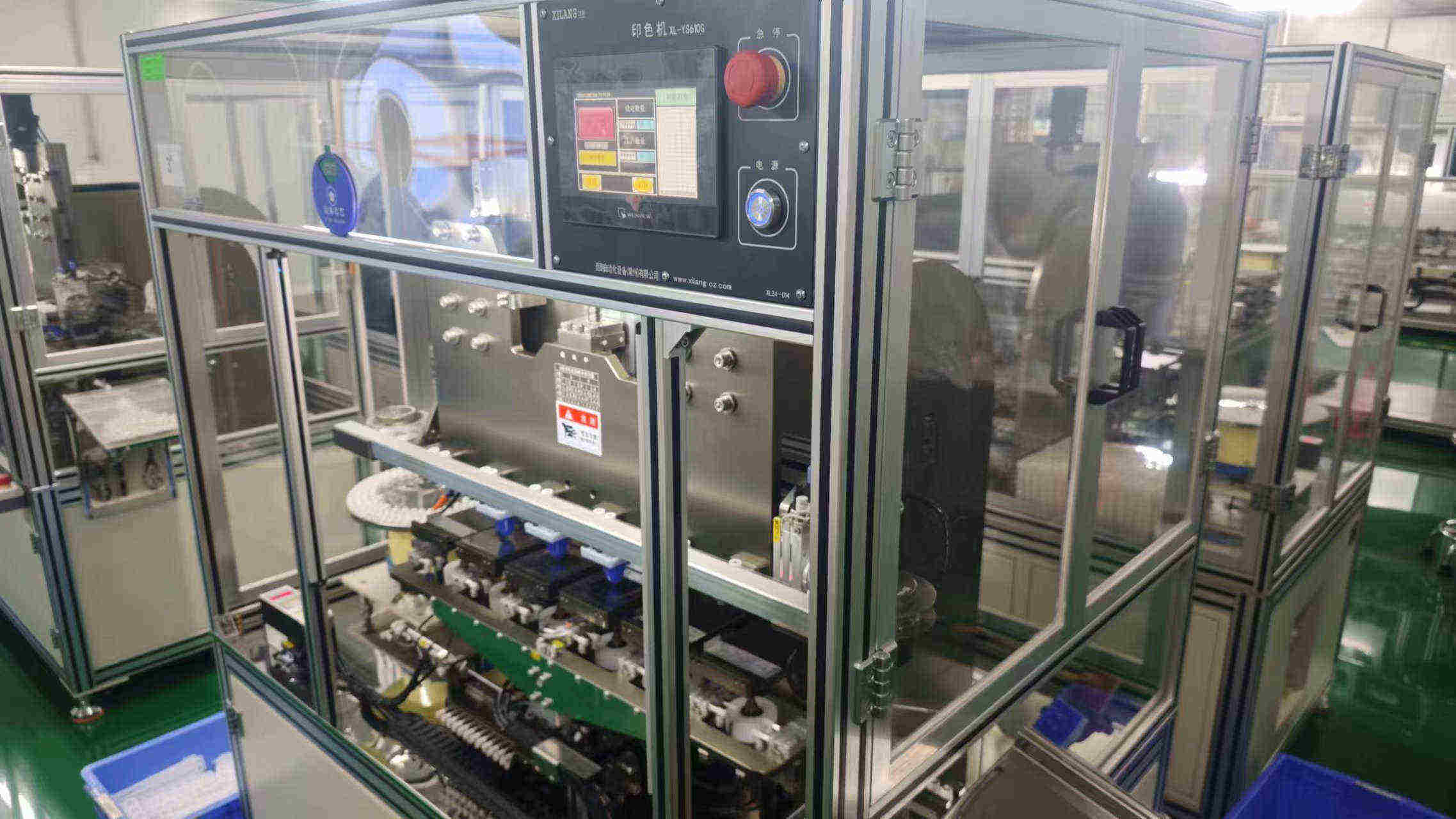
Founded in Dongguan, China, Dongguan Chic Contacts Co., Ltd. is a leading, specialized manufacturer dedicated to the research, development, and high-volume production of premium contact lenses and colored cosmetic lenses.
Operating from a state-of-the-art, GMP-standard cleanroom facility, we combine advanced cast-molding technologies with automated production lines to deliver lenses with exceptional oxygen permeability, moisture retention, and centration. Our robust supply chain allows us to support an extensive portfolio, ranging from daily disposables to yearly replacement lenses, utilizing market-proven materials like Hydrogel and Hema.
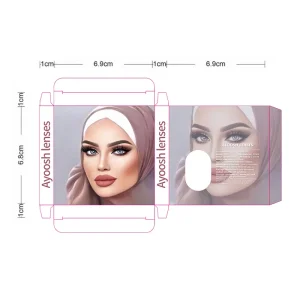
As a trusted global OEM/ODM and private-label partner, Chic Contacts strictly adheres to international quality management systems, ensuring our products meet stringent global regulatory standards (CE/ISO). From custom pattern design and fast prototyping to mass production and compliant packaging, we provide end-to-end manufacturing solutions that empower global eyewear brands, distributors, and fast-fashion labels to scale with confidence.
Our Quality Pledge: Every production run is subjected to rigorous quality gates, including physical dimensions checking, optical power verification, cosmetic defect scanning, and batch sterilization validation. This guarantees the highest level of safety and performance for the end-consumer.
Antimicrobial contact lenses are not a one-size-fits-all product. They target specific customer segments and fill distinct product roles in B2B supply lines:
For therapeutic bandage contact lenses used post-surgery or to treat corneal conditions, maintaining a sterile environment on the cornea is critical. Providing an antimicrobial lens significantly reduces the risk of secondary infections while the cornea heals.
Active users often wear lenses in challenging environments, such as gyms, swimming pools, and outdoor settings. These environments increase the likelihood of bacterial exposure. By incorporating antimicrobial protection, consumer brands can market premium, "sports-ready" lines designed for demanding conditions.
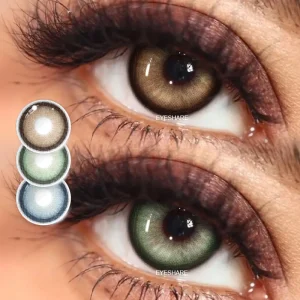
Color contact lenses are popular in fashion and theatrical settings. Wearers may not always follow optimal hygiene protocols, making them more vulnerable to eye irritation. Adding antimicrobial characteristics helps safeguard these consumers, protecting both their health and the brand's reputation.
Critical B2B procurement questions answered by our engineering and regulatory affairs experts.
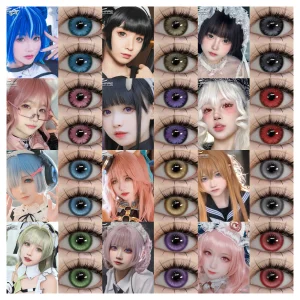
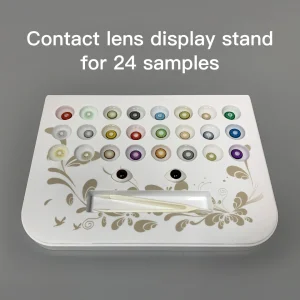
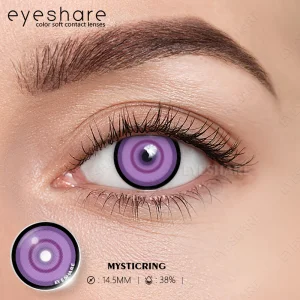
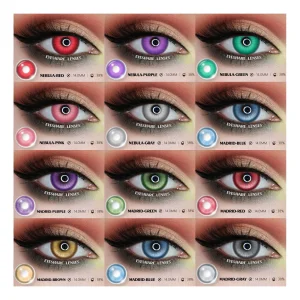
Discover our custom-designed cosplay color lenses, specialist display shelves, and premium packaging options.
 Chic Contacts